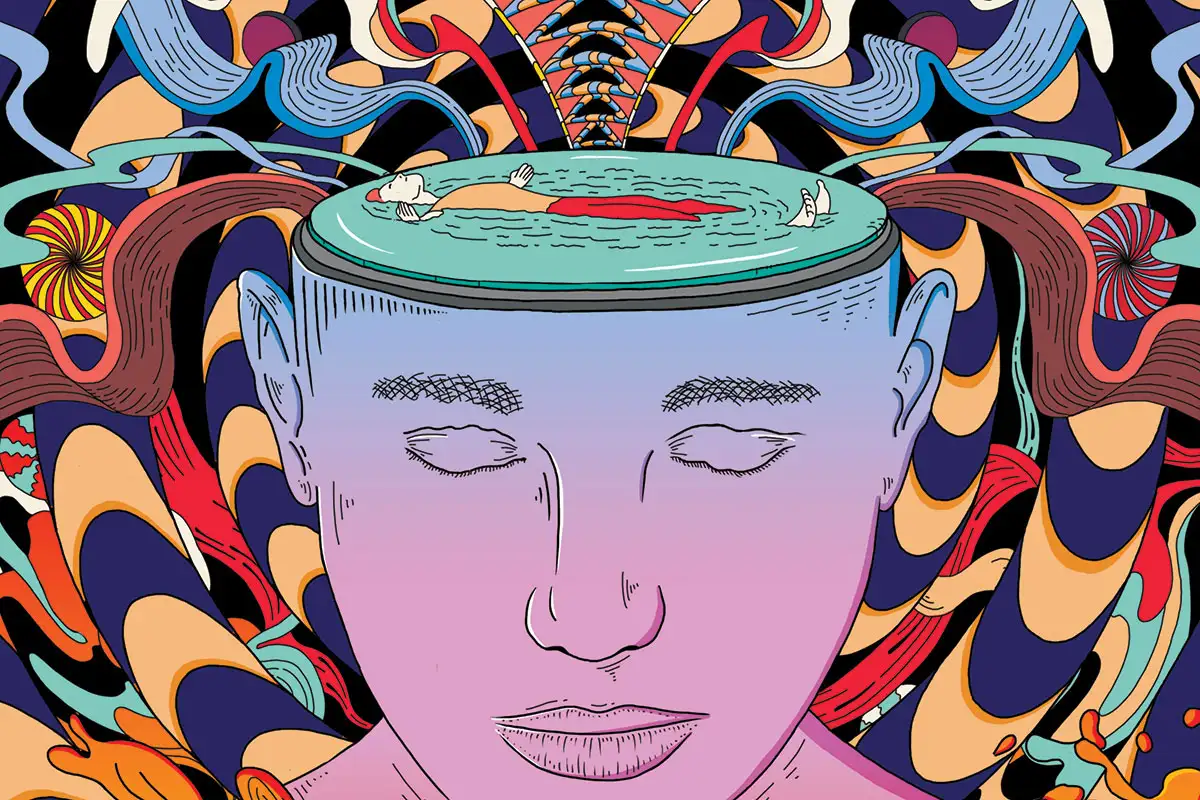
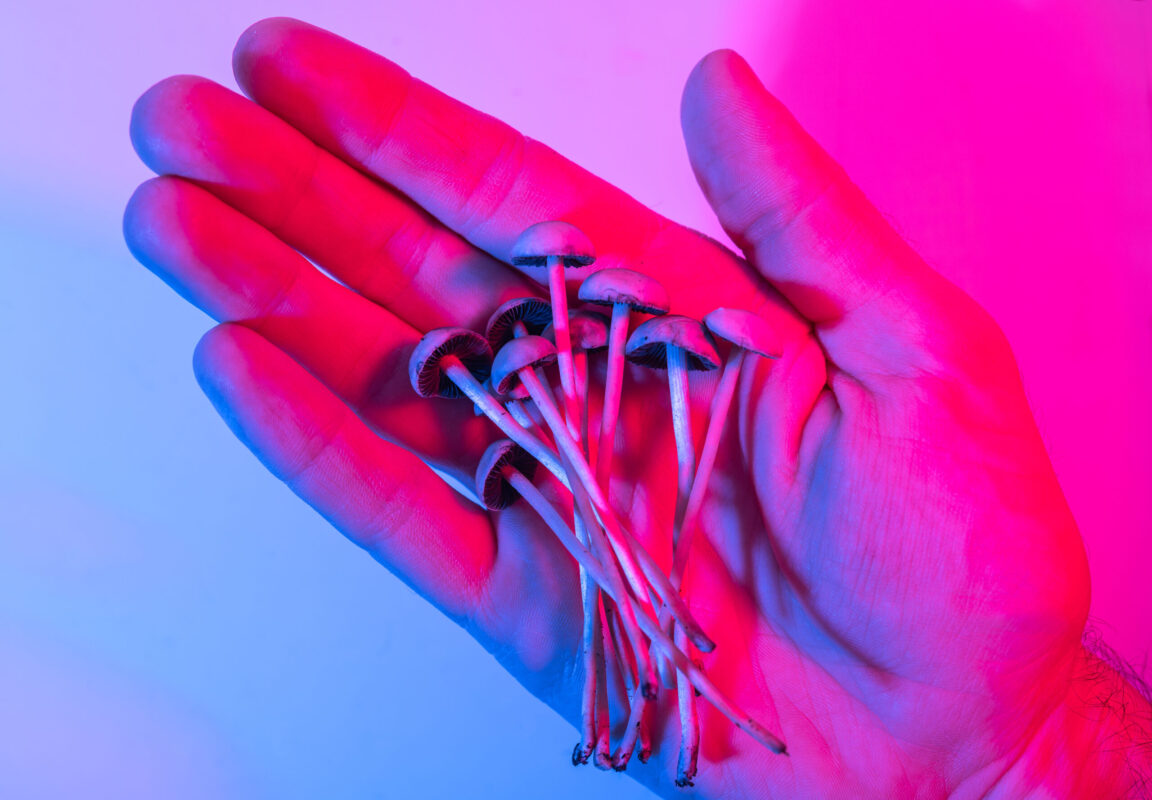
Many people are surprised to discover that magic mushrooms don’t make them sleepy — they make it harder to sleep. Even after the main effects fade, the mind often feels alert, reflective, and unwilling to power down. That’s because psilocybin stimulates serotonin receptors and increases overall brain connectivity rather than depressing the nervous system. If you’ve ever felt exhausted but mentally awake after a trip, there’s a clear neurological reason why.
Author Archives: Matt Seabrook
Almost everyone who takes mushrooms has the same oddly specific experience: at some point, you end up staring at your hands. They look unfamiliar, detailed, almost fascinating in a way they never have before. This isn’t random. Psilocybin reduces the brain’s predictive filtering, making ordinary things feel novel again — and your hands, which sit at the center of identity and control, become the perfect object of attention. What feels strange in the moment is actually a window into how perception and self-awareness work.
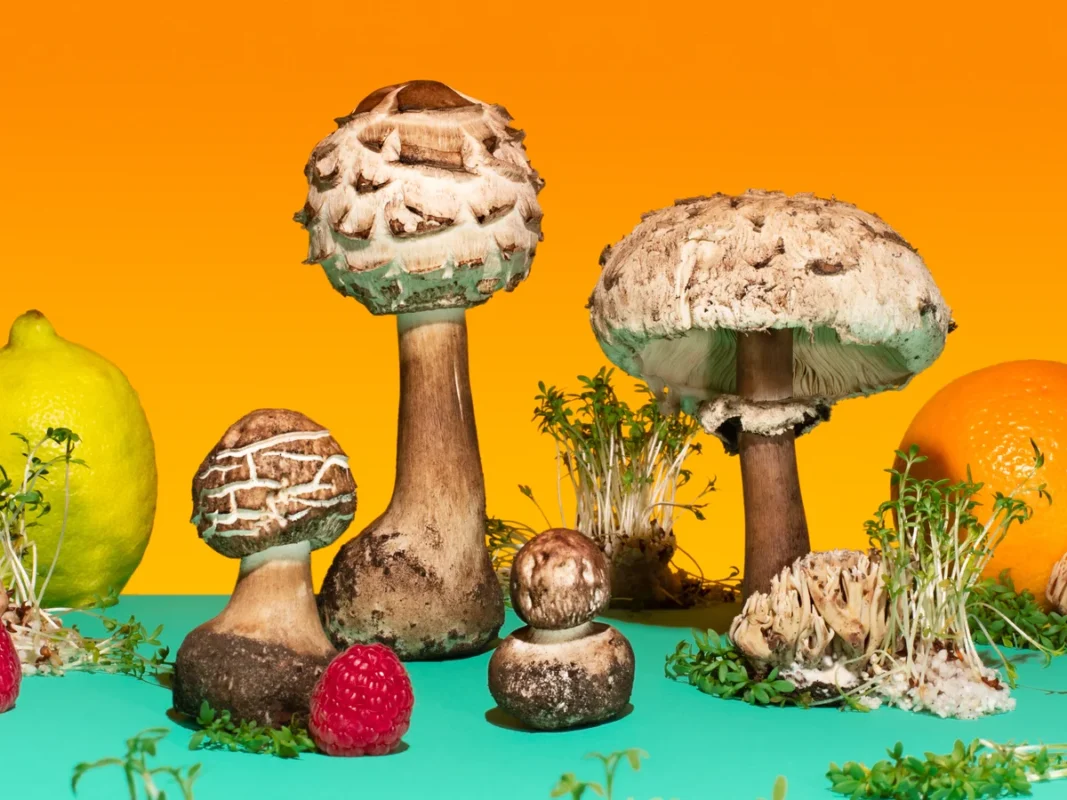
Slow mornings call for something warm, simple, and grounding — and this Magic Mushroom Breakfast Scramble delivers exactly that. Fluffy eggs, sautéed veggies, and melted cheese create a savory, comforting base that makes this one of the easiest ways to start your day with intention. Quick to prepare and easy to portion, it’s perfect for a mellow microdose, a creative morning ritual, or a laid-back brunch with a little extra magic.
“Will I have a bad trip?” is usually code for a deeper fear: What happens if I lose control? Research shows psilocybin quiets the brain’s Default Mode Network — the system that maintains your sense of self and narrative control. For people who rely on structure, planning, and certainty to feel safe, that softening can feel destabilizing. Most difficult trips aren’t random; they’re friction between the experience and the part of you trying to steer. And sometimes, what feels like a bad trip is simply the moment control stops working — and something more flexible begins.
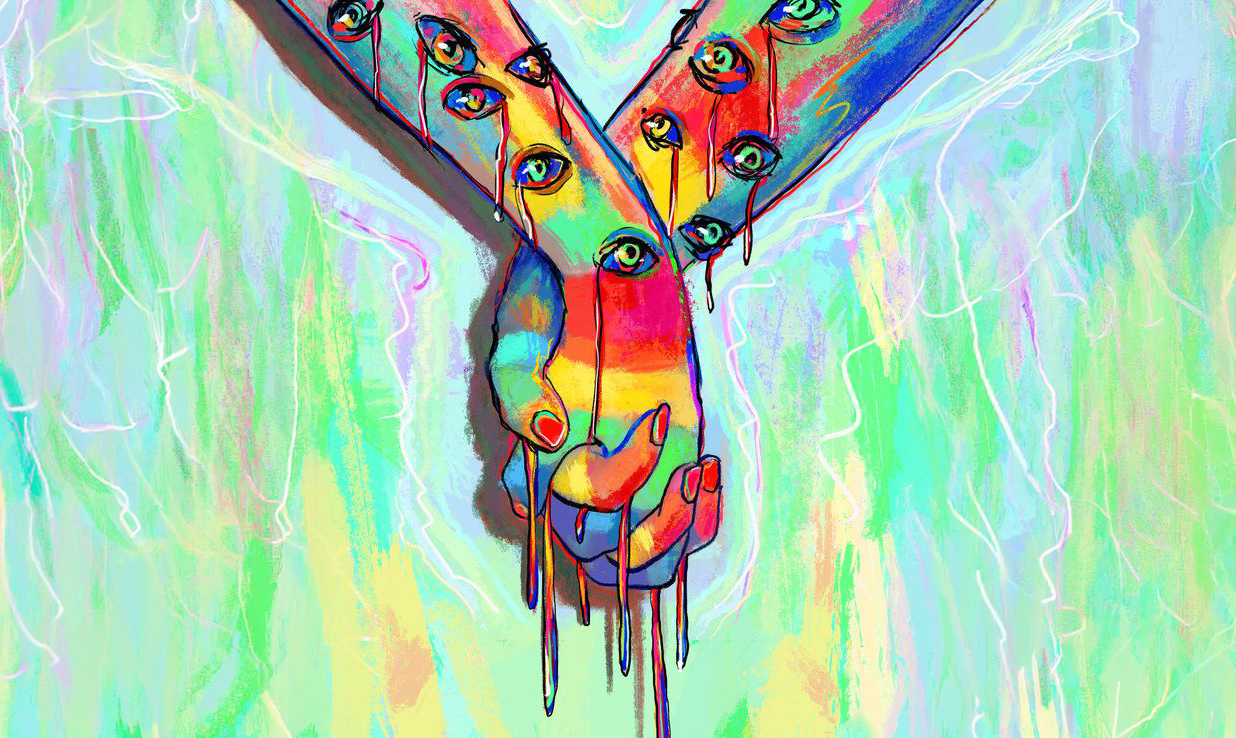
People expect mushrooms to make them laugh or see colors melt. What they don’t expect is crying on the couch over nothing—and feeling incredible afterward. Under psilocybin, tears aren’t a sign that something’s wrong; they’re often proof that something finally loosened. When the brain’s defenses soften, long-held emotions—joy, grief, relief, gratitude—rise to the surface all at once. This isn’t sadness. It’s release. And for many people, it’s the most healing part of the trip.
Golden, crispy, and packed with melty cheese, this Magic Mushroom Quesadilla is one of the easiest and most comforting edible recipes you can make. With rich cheese doing all the heavy lifting on flavor, it’s a smooth, approachable option for beginners and seasoned explorers alike. Quick to cook and easy to portion, this quesadilla is perfect for laid-back evenings, shared sessions, or a simple microdose with maximum comfort.
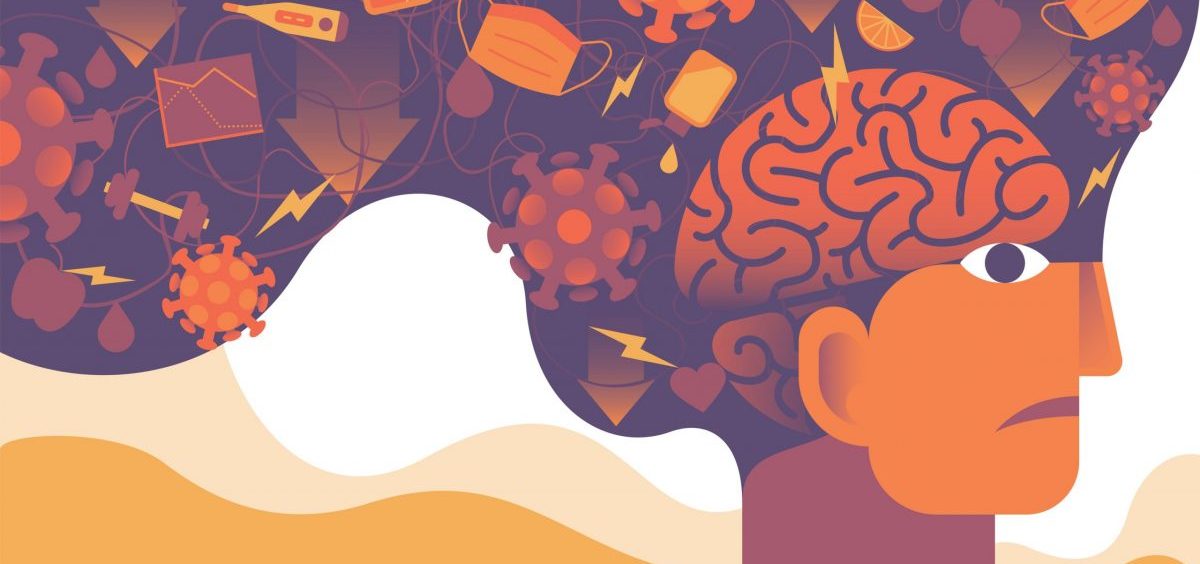
Fear isn’t just a feeling—it’s a circuit. And certain mushrooms appear to mess with the wiring. From psilocybin’s effects on the brain’s fear center to Lion’s Mane’s role in neuroplasticity, science is starting to show how fungi may help loosen anxiety’s grip. This isn’t about escaping fear—it’s about teaching your brain new rules.
When forests burn and floodwaters recede, most life retreats. But mushrooms move in.
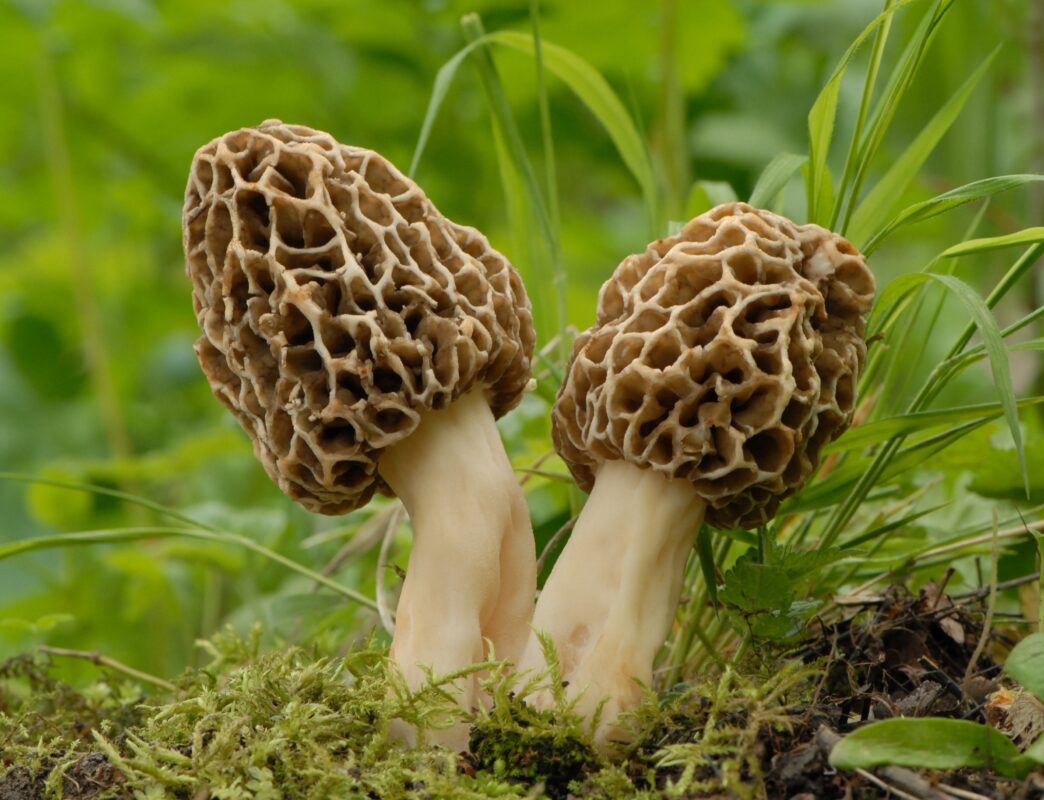
From fire-loving morels to neon-bright fungi that bloom only in ash, certain mushrooms are evolutionarily wired to appear after catastrophe. These post-disaster species don’t just survive chaos — they thrive in it, breaking down charred soil, stabilizing damaged ecosystems, and quietly rebuilding the ground beneath our feet. Mushrooms That Only Grow After Disaster explores the strange, resilient fungi that turn destruction into renewal, proving that sometimes the first signs of life come from the shadows.
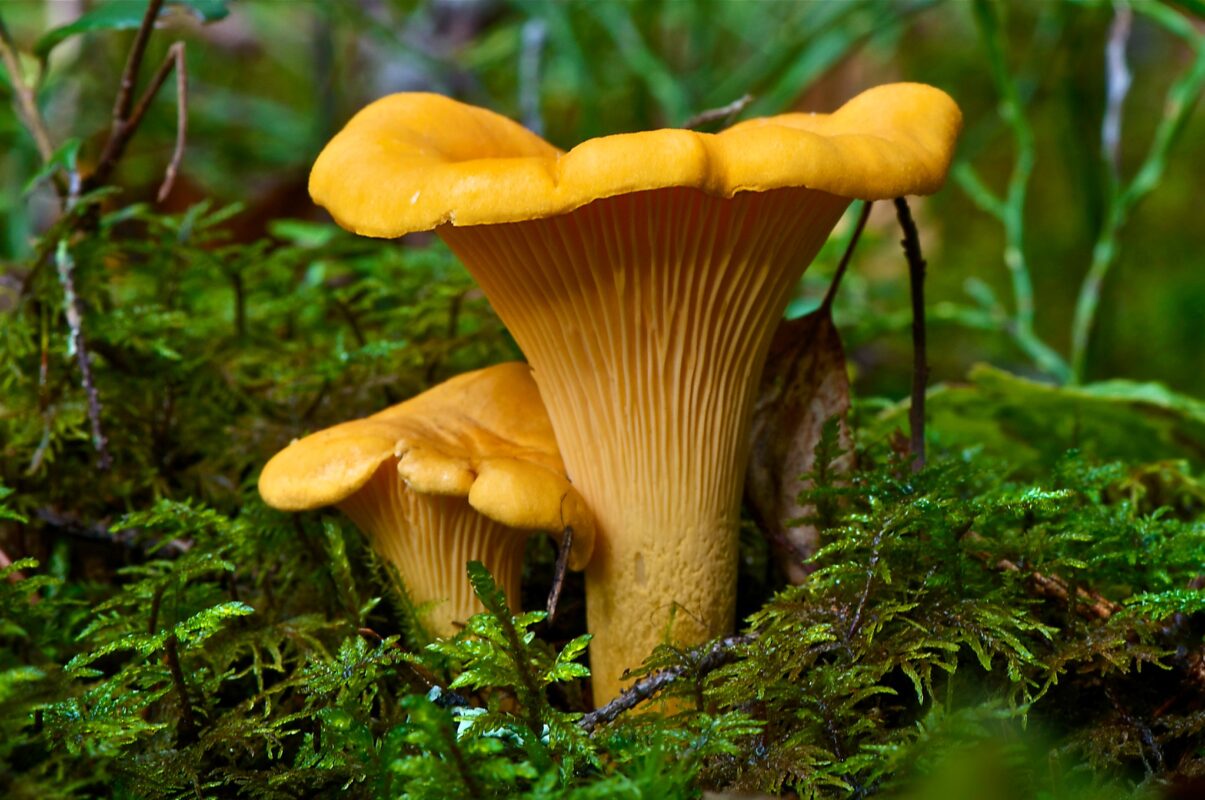
Golden, elusive, and deeply tied to the forest, chanterelles are a true wild mushroom icon. They don’t grow on demand or in neat rows — they appear when the conditions are just right, rewarding patience and a sharp eye.
In this Mushroom Spotlight, we explore what makes chanterelles so special, from their symbiotic relationship with trees to their unmistakable flavor and aroma. A reminder that some of the best things in nature aren’t cultivated — they’re discovered.
Magic Mushroom Peanut Butter Cookies are the ultimate comfort bake with a playful twist. Soft, crinkled, and rich with nostalgic peanut butter flavor, these cookies bring together cozy kitchen vibes and a touch of mushroom magic. Perfect for chill evenings, holiday baking, or sharing with friends, this recipe is simple, satisfying, and easy to customize for your preferred dose. Whether you’re baking for warmth, creativity, or a sweet little journey, these cookies deliver comfort in every bite.