
Tag Archives: Science

Shrooms vs. Dreams: Why Psilocybin Trips Feel So Cinematic

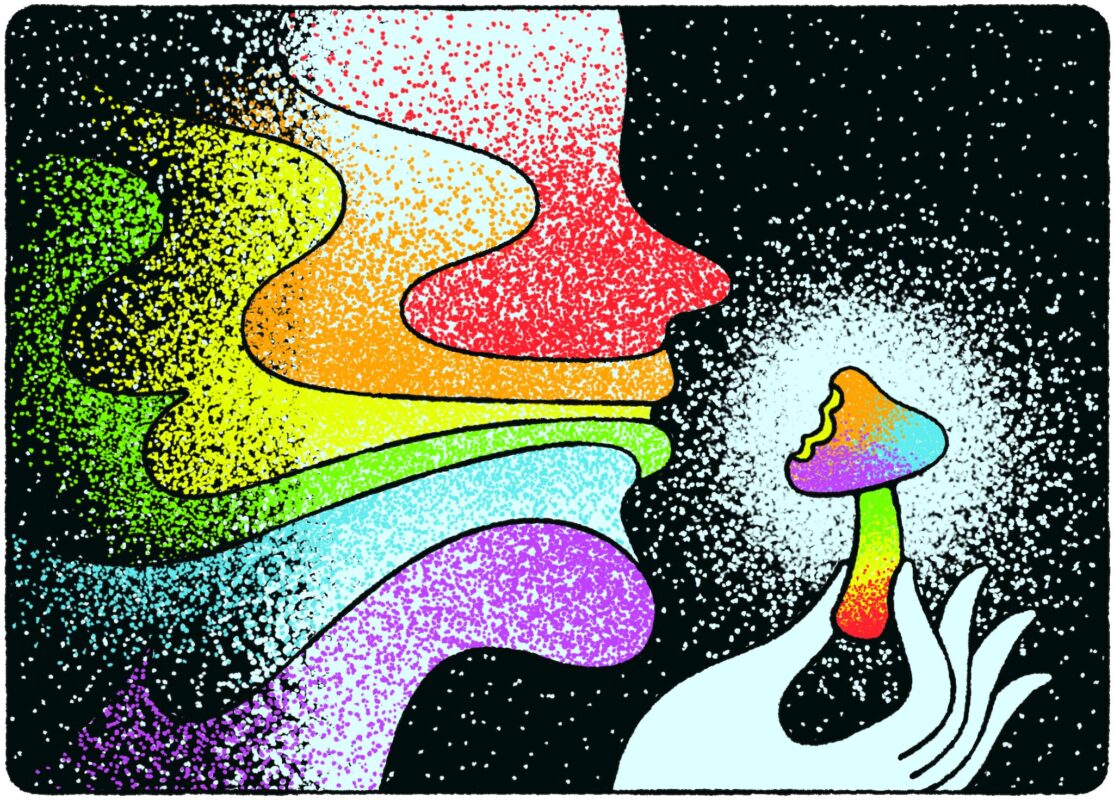
Close-up of psilocybin mushrooms in atmospheric lighting, representing the connection between magic mushrooms, dreaming, and altered states of consciousness.

Psilocybin trips don’t just feel strange — they feel scripted, almost like someone in the back of your brain hired a Hollywood director and forgot to tell you. Scientists say it’s because psychedelics dismantle the brain’s usual gatekeepers, letting memories, emotions, and imagination bleed together like watercolor. The result? Vivid scenes, impossible physics, familiar faces in impossible places — a whole mental movie that somehow feels more honest than real life. It’s the same neurological sandbox where dreams are built, only now you’re awake enough to watch the sand shift. And maybe that’s the punchline: the mind, left unsupervised, is always a better storyteller than we are.
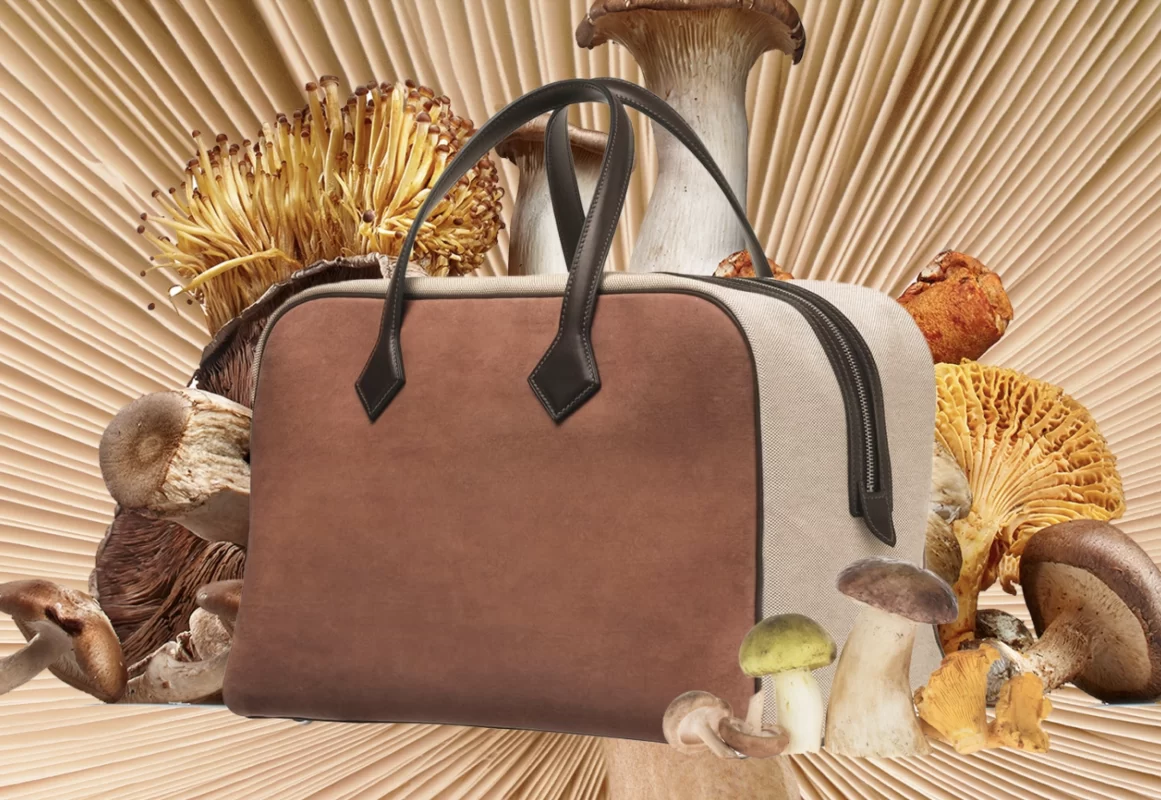
From Forest Floor to Fashion Runway: The Rise of Mycelium Leather

Microscopic image showing brain activity and neural pathways during psilocybin research, representing the future of psychedelic medicine and mental health therapy.

What if your next leather jacket grew in a lab from agricultural waste? Mycelium — the root network of fungi — can be cultivated into durable, compostable sheets that mimic leather’s look and feel. In this deep dive we follow the innovators, brands, and researchers turning fungal mats into luxury goods and everyday materials, examine lifecycle and scaling challenges, and ask whether mushroom-made materials can truly replace animal and plastic alternatives.

What’s The Difference Between Magic Mushrooms and LSD (Acid)

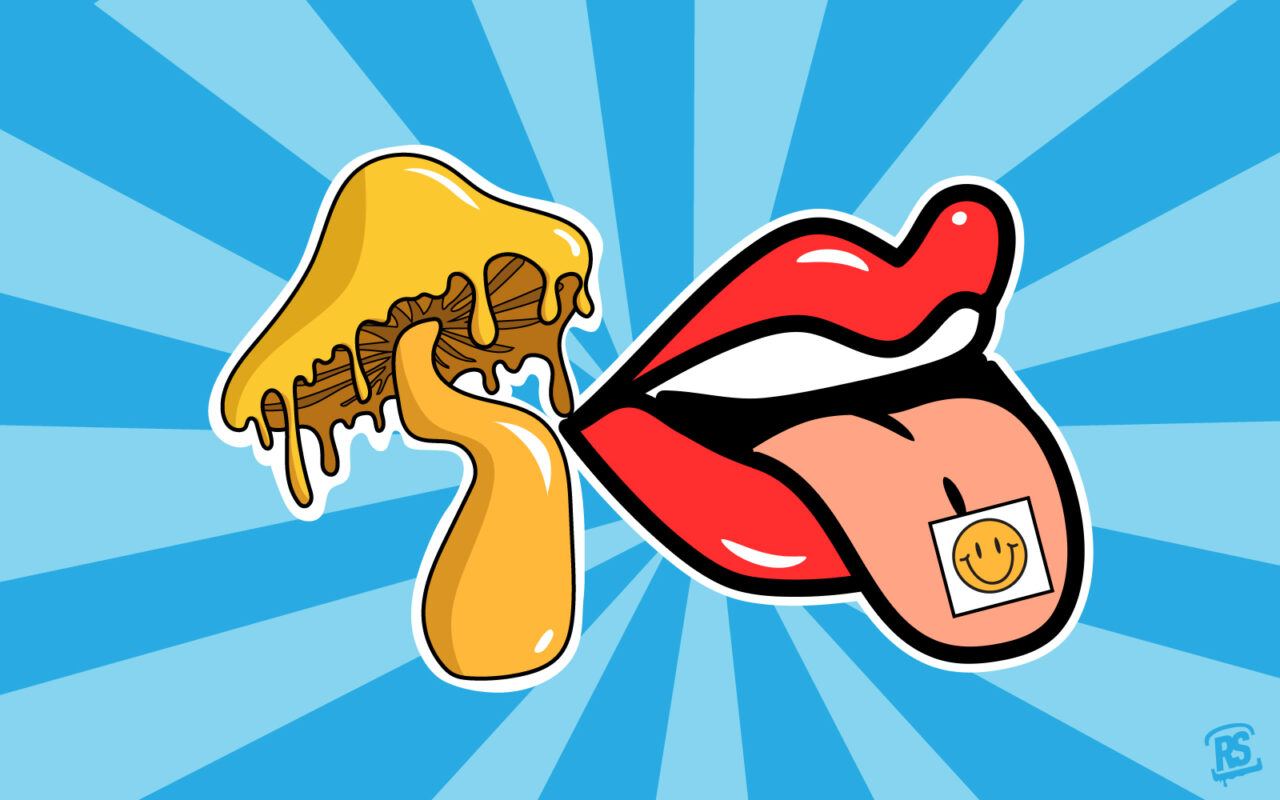
Magic mushrooms and LSD comparison illustration showing psilocybin mushrooms beside a tab of acid under vibrant psychedelic colors.

Magic mushrooms and LSD may share a cosmic lineage, but they come from two very different worlds — one born from soil, the other from science. Both can melt the walls between thoughts and galaxies, yet the journeys they offer are distinct. Mushrooms tend to lead you inward: emotional, organic, earthy. LSD propels you outward: sharp, electric, unending. In this deep dive, we explore the chemistry, culture, and consciousness behind the world’s two most famous psychedelics — and what they reveal about the human desire to see reality through a different lens.

Dreams, Dimensions, and DMT: What Science Is Learning About Consciousness

Abstract visualization of consciousness showing a human head merging with neural networks and cosmic energy patterns.

Scientists, mystics, and dreamers have all tried to answer the same impossible question: what is consciousness, really? From DMT-fueled visions to lucid dreams that feel more real than waking life, the frontier of the human mind is stranger—and more beautiful—than we ever imagined. Modern research is beginning to map the uncharted territory once left to shamans and philosophers, and the results sound like science fiction with a heartbeat. Whether it’s psilocybin lighting up new neural highways or DMT dissolving the walls of the self, one thing’s clear: consciousness isn’t just in our heads—it might be the universe getting to know itself.

Magic Mushrooms & Time Travel: Why Shrooms Bend Your Perception of Time

Close-up of mushrooms growing in natural light against an earthy background

Mushrooms don’t just change how we see the world — they change how the world is seen. From shifting colors and bending time to blurring the line between self and universe, psilocybin has a way of turning ordinary moments into something extraordinary. In this post, we explore the wild territory of perception and illusion: why your living room might feel like a cathedral, how “infinity” can suddenly feel tangible, and what science says about the strange tricks our brains play while under the influence of mushrooms.

Mushrooms to the Rescue: How Fungi Could Help Save the World

Fantasy illustration of giant mushrooms growing from Earth, symbolizing fungi’s role in sustainability and the future of our planet.

Mushrooms aren’t just quirky caps sprouting from logs — they’re some of the planet’s quietest superheroes. From breaking down oil spills to replacing plastic, fungi are helping to solve some of the world’s biggest challenges. Scientists are discovering that mushrooms can clean up pollution, create sustainable foods, inspire new medicines, and even serve as eco-friendly building materials. In short, the future might just be fungal — and that’s something worth celebrating.

Microdosing Myths vs. Facts: What People Think vs. What the Science Actually Says

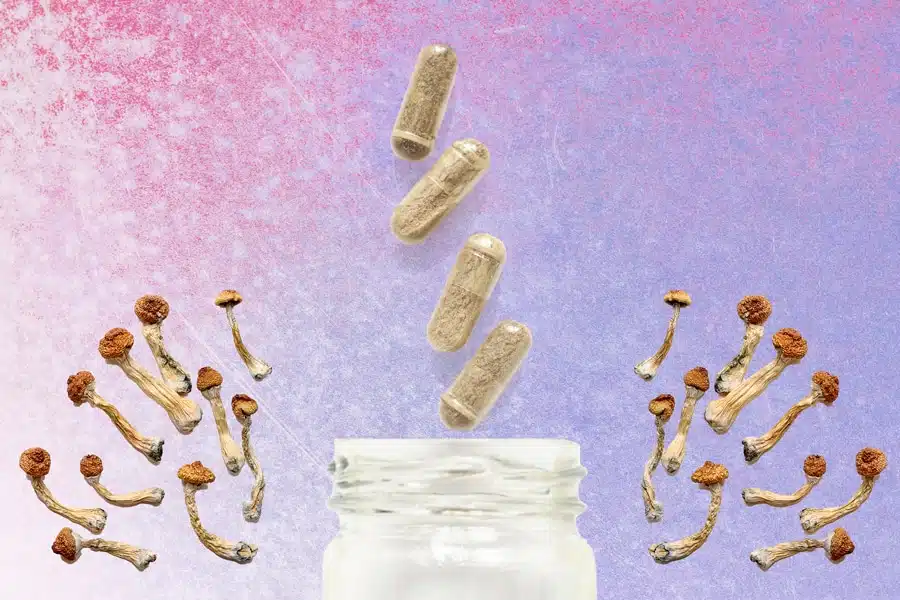
Microdosing capsules and dried psilocybin mushrooms spilling from a jar against a pastel gradient background.

Microdosing has taken the wellness world by storm, with promises of sharper focus, boosted creativity, and even relief from anxiety and depression. But how much of what we hear is based on science—and how much is simply wishful thinking? In this blog, we’ll break down the most common myths about microdosing and compare them with the latest research, so you can understand what’s fact, what’s fiction, and what still remains a mystery.

Mushrooms & Mental Health: What Science is Saying

https://www.smileshigh.club/wp-content/uploads/2025/08/18klein-superJumbo.jpg

Psilocybin—the psychoactive compound in magic mushrooms—isn’t just for mystical forest trips and swirling visuals anymore. Researchers and therapists are turning to this ancient medicine for something more profound: healing. From veterans grappling with PTSD to everyday people navigating depression or addiction, psilocybin is showing promise as a powerful mental health ally. In this post, we explore the science, stories, and future of psychedelic-assisted therapy—and how mushrooms might just be the key to unlocking your mind’s hidden resilience.