Tag Archives: Psychedelics

Why Can’t I Sleep on Magic Mushrooms?

Person lying awake in bed at night after taking psilocybin mushrooms, illustrating insomnia and post-trip stimulation

Many people are surprised to discover that magic mushrooms don’t make them sleepy — they make it harder to sleep. Even after the main effects fade, the mind often feels alert, reflective, and unwilling to power down. That’s because psilocybin stimulates serotonin receptors and increases overall brain connectivity rather than depressing the nervous system. If you’ve ever felt exhausted but mentally awake after a trip, there’s a clear neurological reason why.
Why Do I Stare at My Hands on Mushrooms?

Person examining their hands during a psilocybin mushroom experience, illustrating altered perception and heightened sensory awareness

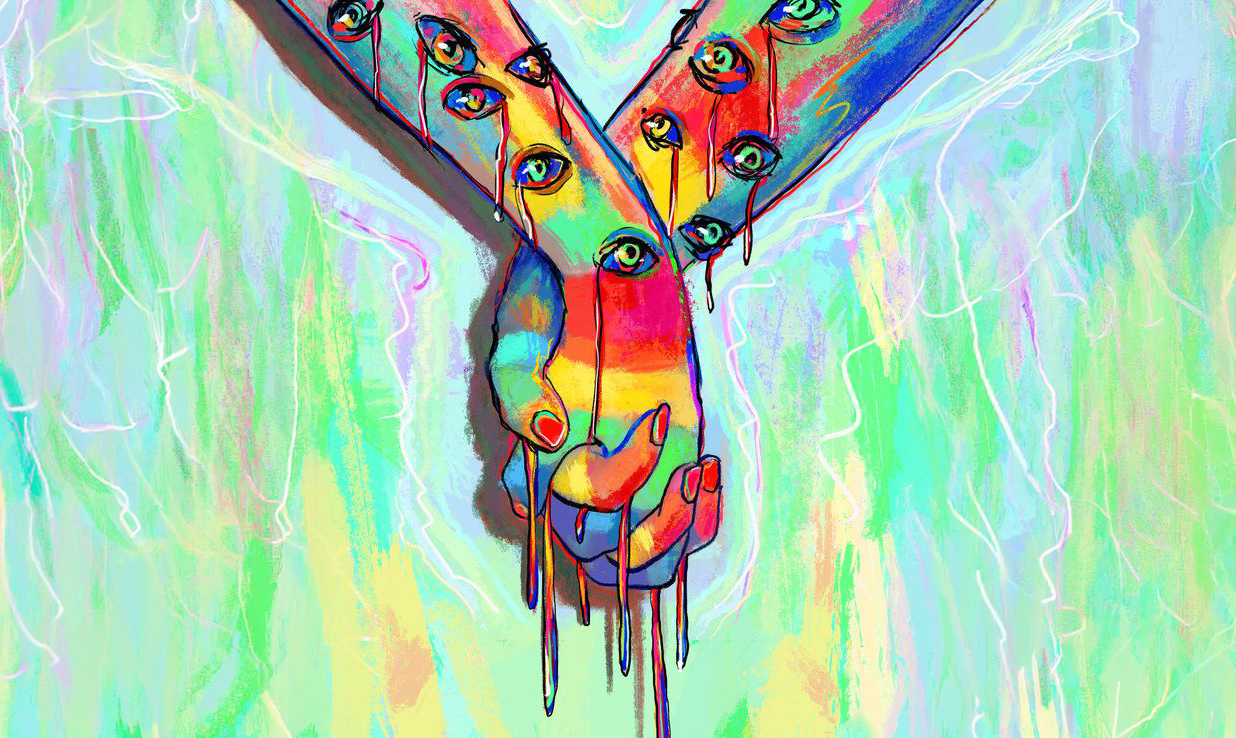
Almost everyone who takes mushrooms has the same oddly specific experience: at some point, you end up staring at your hands. They look unfamiliar, detailed, almost fascinating in a way they never have before. This isn’t random. Psilocybin reduces the brain’s predictive filtering, making ordinary things feel novel again — and your hands, which sit at the center of identity and control, become the perfect object of attention. What feels strange in the moment is actually a window into how perception and self-awareness work.

Will I Have a Bad Trip on Magic Mushrooms?

Brain scan illustration showing altered neural activity under psilocybin, linked to ego dissolution and reduced default mode network activity

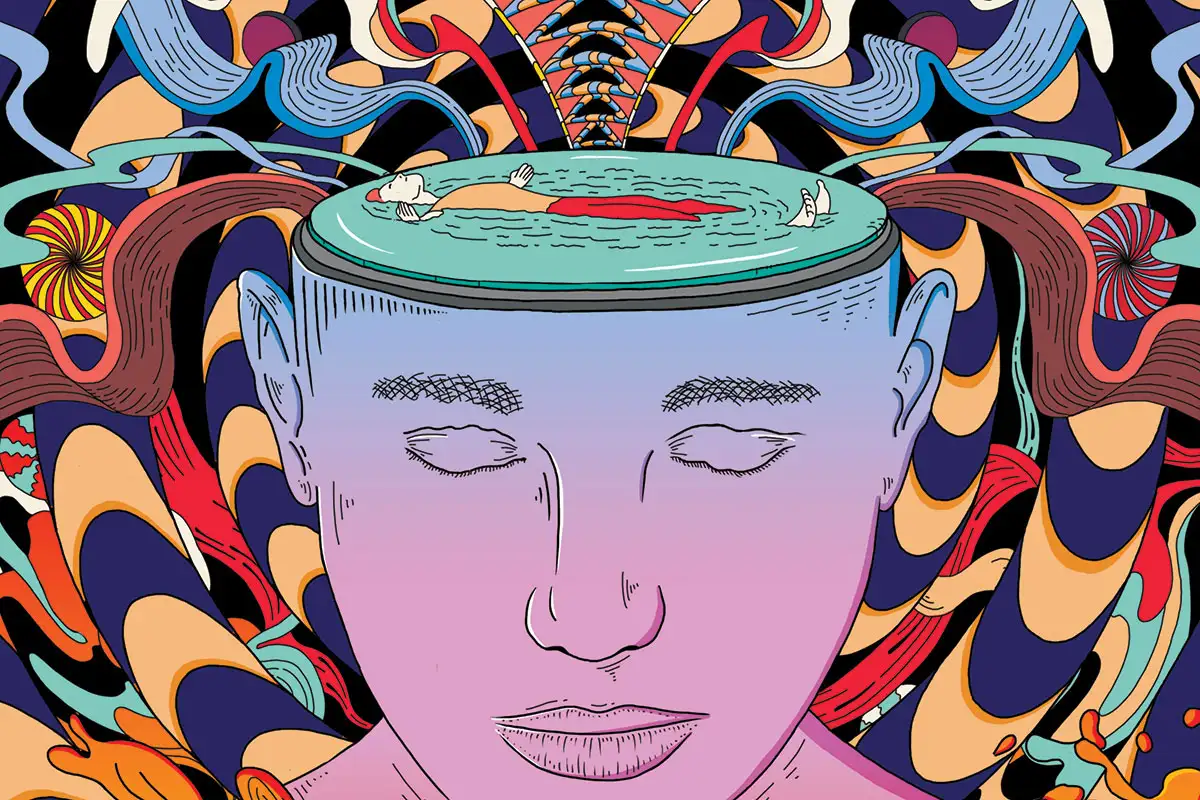
“Will I have a bad trip?” is usually code for a deeper fear: What happens if I lose control? Research shows psilocybin quiets the brain’s Default Mode Network — the system that maintains your sense of self and narrative control. For people who rely on structure, planning, and certainty to feel safe, that softening can feel destabilizing. Most difficult trips aren’t random; they’re friction between the experience and the part of you trying to steer. And sometimes, what feels like a bad trip is simply the moment control stops working — and something more flexible begins.

Why People Cry on Mushrooms (Even When They’re Happy)

Person crying while experiencing emotional release during a psilocybin mushroom experience

People expect mushrooms to make them laugh or see colors melt. What they don’t expect is crying on the couch over nothing—and feeling incredible afterward. Under psilocybin, tears aren’t a sign that something’s wrong; they’re often proof that something finally loosened. When the brain’s defenses soften, long-held emotions—joy, grief, relief, gratitude—rise to the surface all at once. This isn’t sadness. It’s release. And for many people, it’s the most healing part of the trip.

Why Mushrooms Pair So Well With Therapy

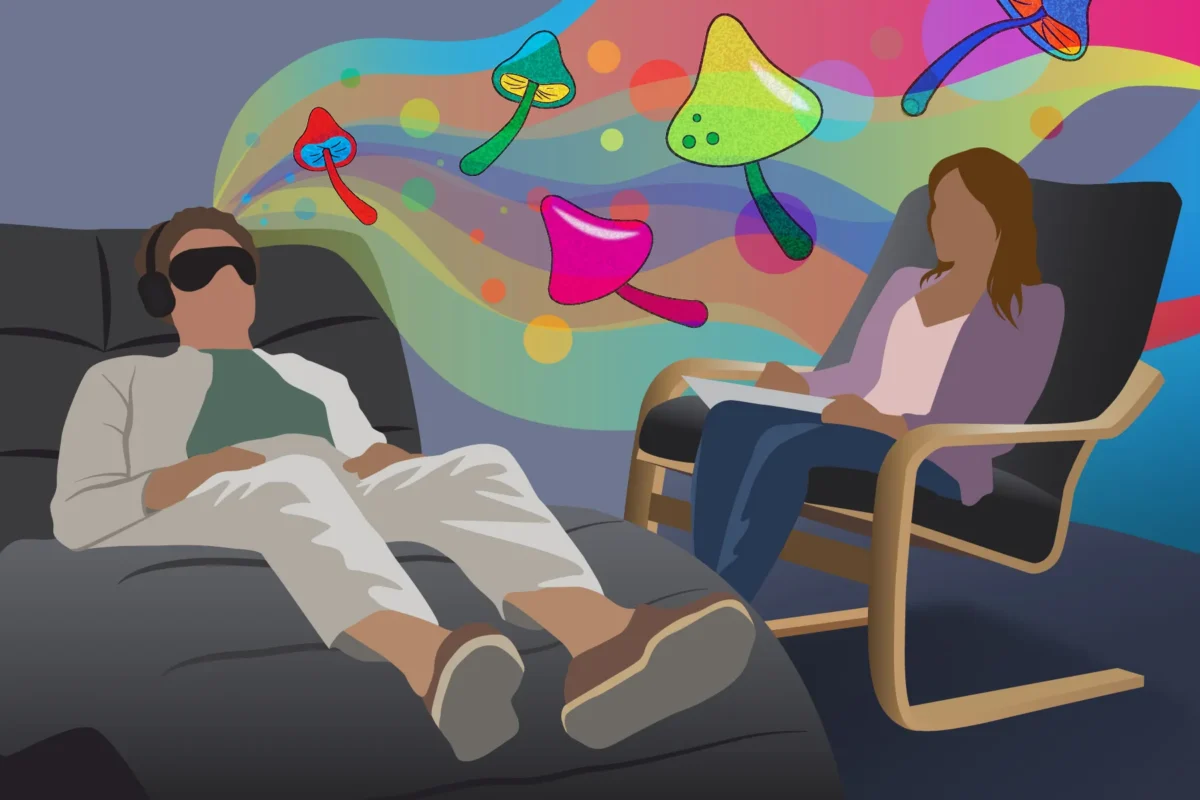
Therapy helps us tell our stories more honestly — mushrooms help us hear them differently. From increased emotional openness to fresh perspective shifts, science is beginning to show why psilocybin and therapy can work so well together. This article explores the neurological, emotional, and psychological reasons mushrooms often deepen therapeutic work — and why integration matters more than the experience itself.

Magic Mushroom Bad Trips: What Causes Them & How to Prevent Them

Bad trips aren’t random, and they’re not punishments handed out by the psychedelic gods. They’re the result of a brain operating without its usual filters — emotions louder, memories closer, and context amplified. In The Science of Bad Trips, we explore what actually causes difficult psychedelic experiences, from neuroscience and trauma to mindset, environment, and dosing, and how modern research shows most of them are preventable. This isn’t a scare story — it’s a guide to understanding why challenging trips happen, and how preparation, respect, and integration can turn even the hardest journeys into meaningful ones.

Shrooms vs. Dreams: Why Psilocybin Trips Feel So Cinematic

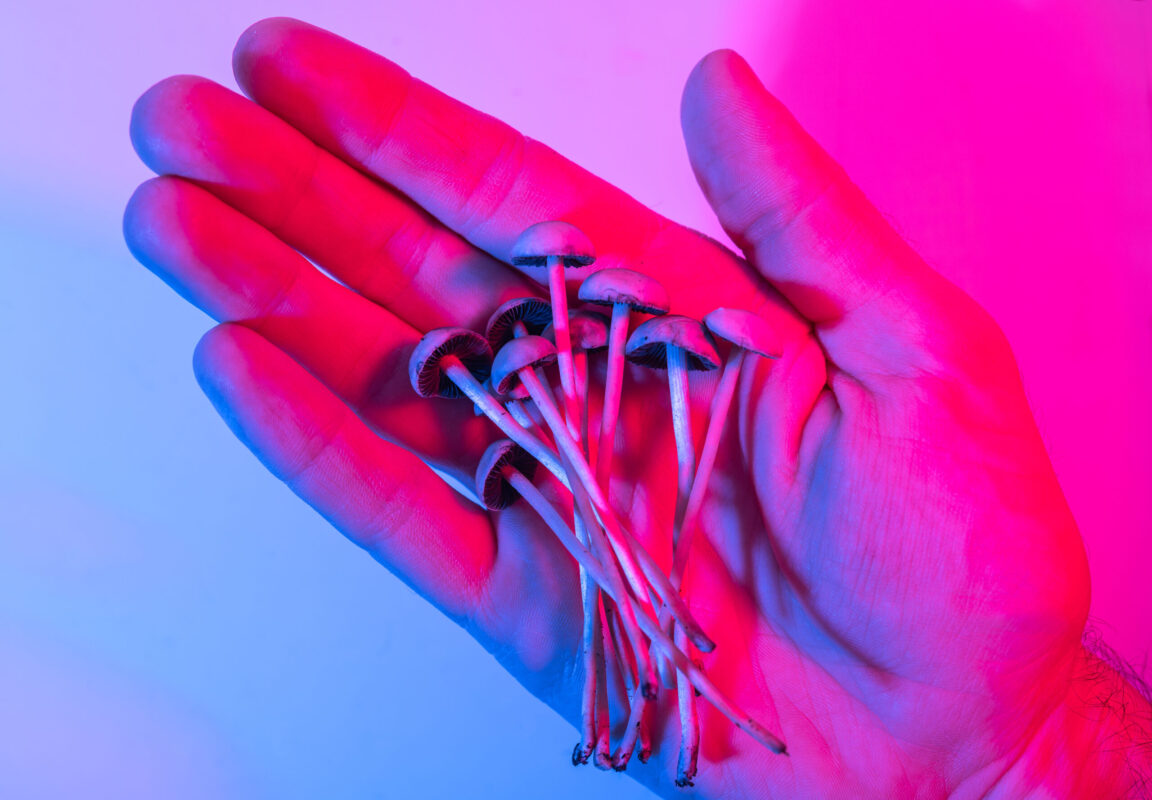
Close-up of psilocybin mushrooms in atmospheric lighting, representing the connection between magic mushrooms, dreaming, and altered states of consciousness.

Psilocybin trips don’t just feel strange — they feel scripted, almost like someone in the back of your brain hired a Hollywood director and forgot to tell you. Scientists say it’s because psychedelics dismantle the brain’s usual gatekeepers, letting memories, emotions, and imagination bleed together like watercolor. The result? Vivid scenes, impossible physics, familiar faces in impossible places — a whole mental movie that somehow feels more honest than real life. It’s the same neurological sandbox where dreams are built, only now you’re awake enough to watch the sand shift. And maybe that’s the punchline: the mind, left unsupervised, is always a better storyteller than we are.

Are Magic Mushrooms Legal Now?! Then How Is My Local Headshop Selling Them?

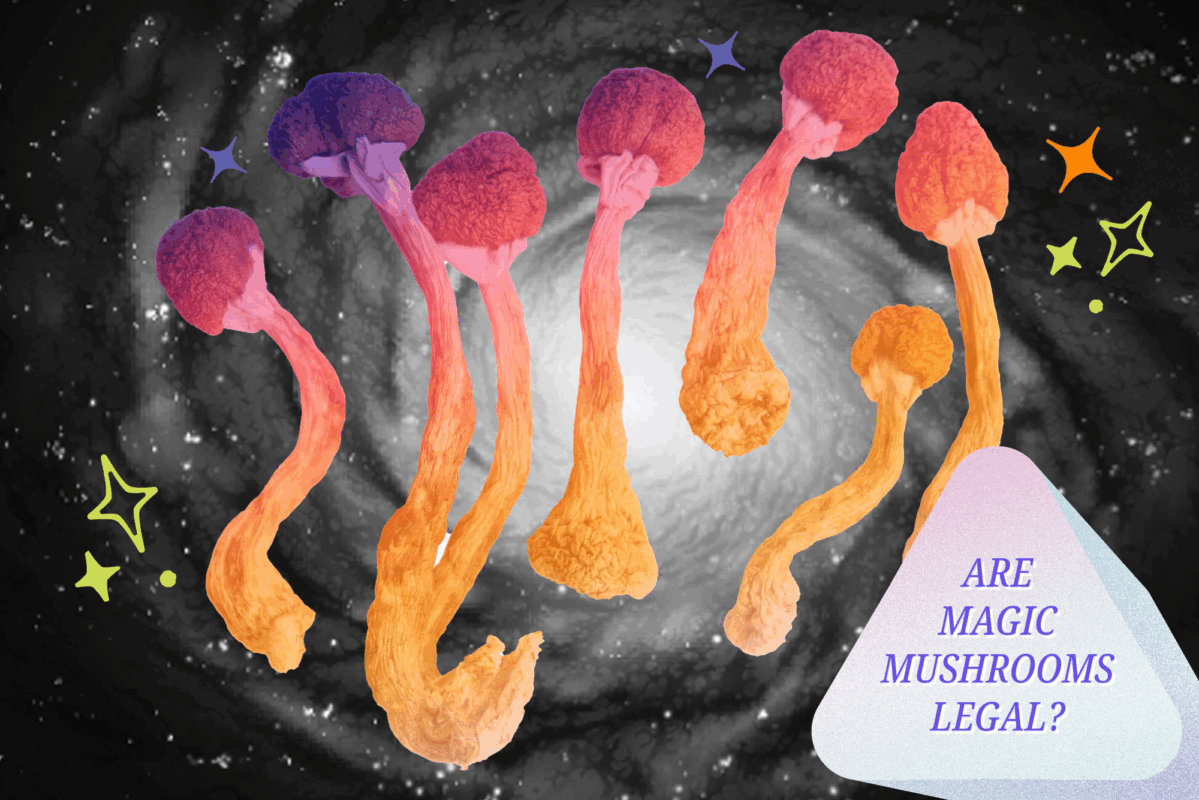
Magic mushrooms are popping up in storefronts across Canada — from sleek dispensaries in Vancouver to discreet headshops in Toronto — even though psilocybin remains a controlled substance under federal law. So how are they getting away with it? This article dives deep into the gray market that’s emerged around psychedelic sales, exploring how loopholes, activism, and shifting cultural attitudes are changing the landscape of drug policy in real time. Through interviews, Reddit threads, and firsthand accounts from both sellers and consumers, we unpack what’s really happening behind the “for research purposes only” labels and “microdose kits” that line modern shelves.

What’s The Difference Between Magic Mushrooms and LSD (Acid)

Magic mushrooms and LSD comparison illustration showing psilocybin mushrooms beside a tab of acid under vibrant psychedelic colors.

Magic mushrooms and LSD may share a cosmic lineage, but they come from two very different worlds — one born from soil, the other from science. Both can melt the walls between thoughts and galaxies, yet the journeys they offer are distinct. Mushrooms tend to lead you inward: emotional, organic, earthy. LSD propels you outward: sharp, electric, unending. In this deep dive, we explore the chemistry, culture, and consciousness behind the world’s two most famous psychedelics — and what they reveal about the human desire to see reality through a different lens.

Dreams, Dimensions, and DMT: What Science Is Learning About Consciousness

Abstract visualization of consciousness showing a human head merging with neural networks and cosmic energy patterns.

Scientists, mystics, and dreamers have all tried to answer the same impossible question: what is consciousness, really? From DMT-fueled visions to lucid dreams that feel more real than waking life, the frontier of the human mind is stranger—and more beautiful—than we ever imagined. Modern research is beginning to map the uncharted territory once left to shamans and philosophers, and the results sound like science fiction with a heartbeat. Whether it’s psilocybin lighting up new neural highways or DMT dissolving the walls of the self, one thing’s clear: consciousness isn’t just in our heads—it might be the universe getting to know itself.