Category Archives: Learning

Why Can’t I Sleep on Magic Mushrooms?

Person lying awake in bed at night after taking psilocybin mushrooms, illustrating insomnia and post-trip stimulation

Many people are surprised to discover that magic mushrooms don’t make them sleepy — they make it harder to sleep. Even after the main effects fade, the mind often feels alert, reflective, and unwilling to power down. That’s because psilocybin stimulates serotonin receptors and increases overall brain connectivity rather than depressing the nervous system. If you’ve ever felt exhausted but mentally awake after a trip, there’s a clear neurological reason why.
Why Do I Stare at My Hands on Mushrooms?

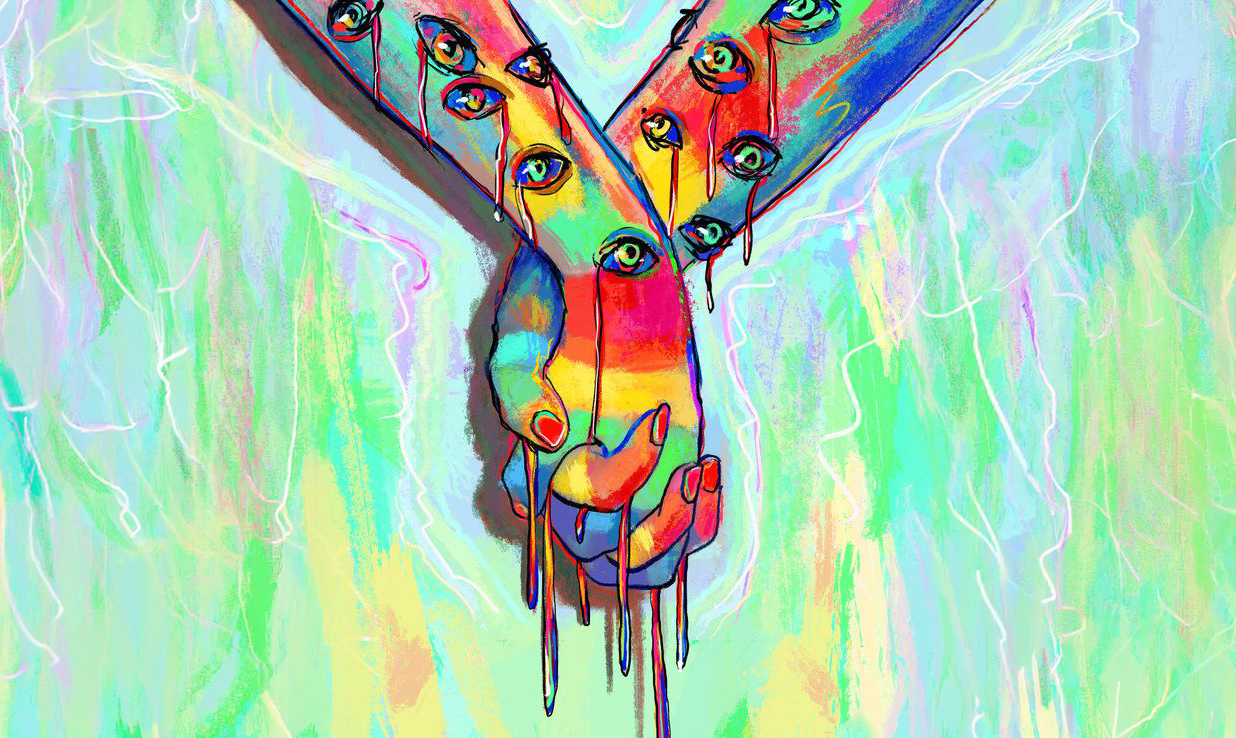
Person examining their hands during a psilocybin mushroom experience, illustrating altered perception and heightened sensory awareness

Almost everyone who takes mushrooms has the same oddly specific experience: at some point, you end up staring at your hands. They look unfamiliar, detailed, almost fascinating in a way they never have before. This isn’t random. Psilocybin reduces the brain’s predictive filtering, making ordinary things feel novel again — and your hands, which sit at the center of identity and control, become the perfect object of attention. What feels strange in the moment is actually a window into how perception and self-awareness work.

Will I Have a Bad Trip on Magic Mushrooms?

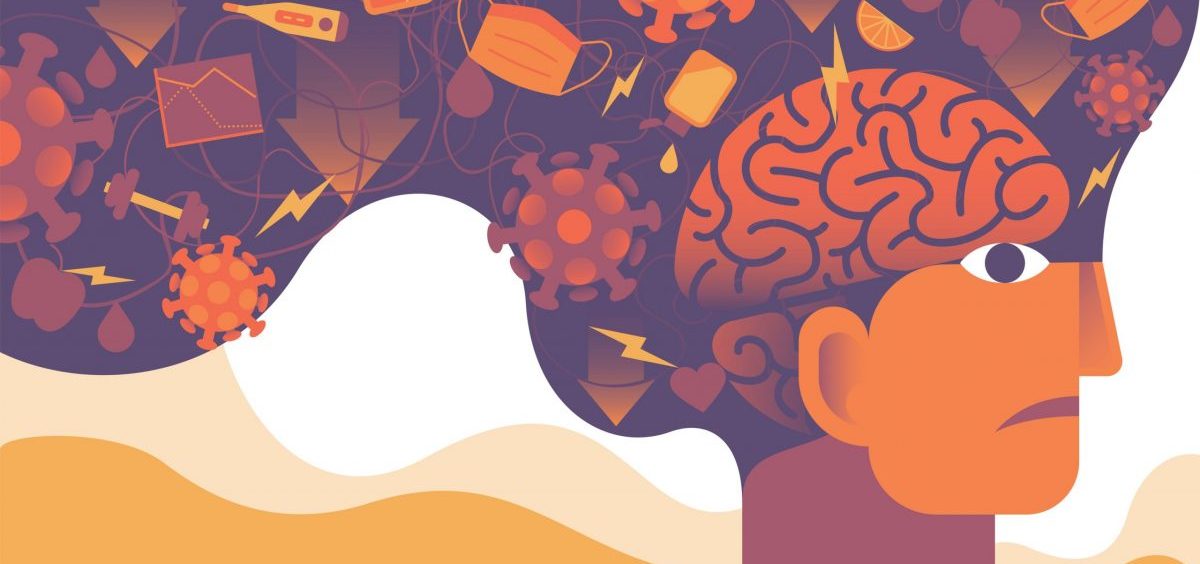
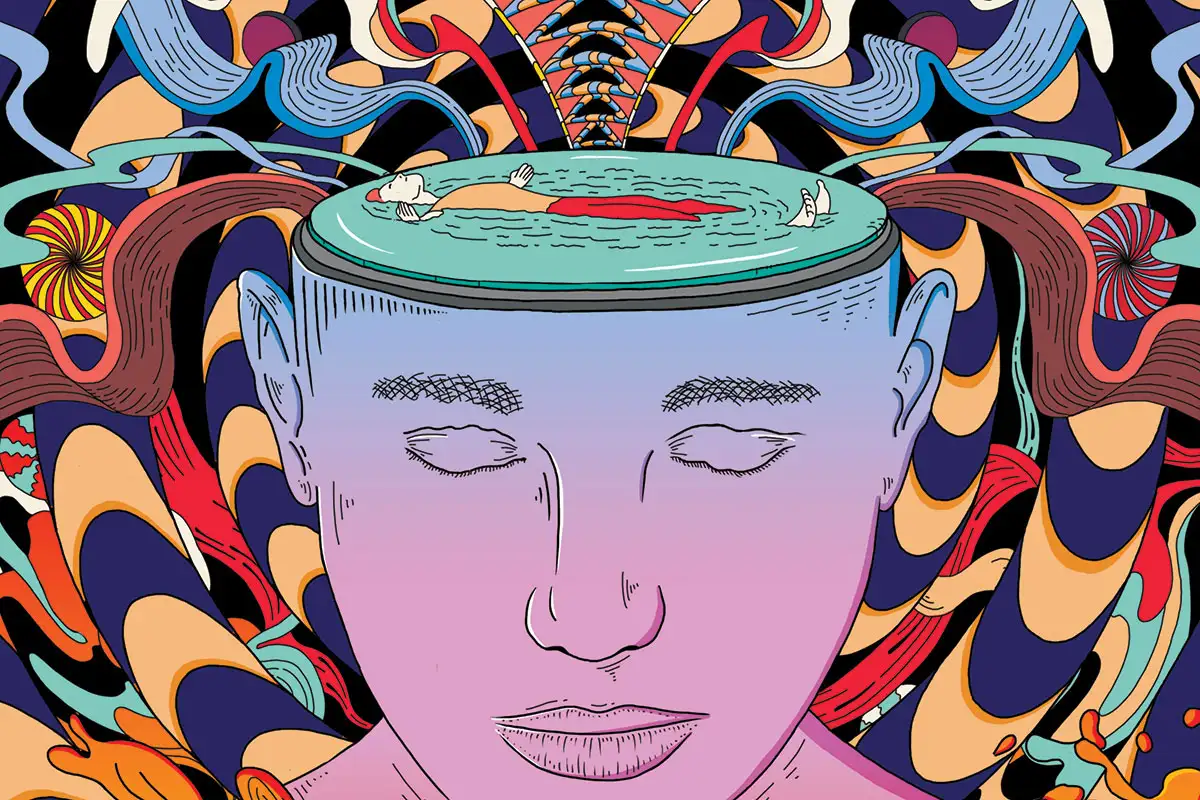
Brain scan illustration showing altered neural activity under psilocybin, linked to ego dissolution and reduced default mode network activity

“Will I have a bad trip?” is usually code for a deeper fear: What happens if I lose control? Research shows psilocybin quiets the brain’s Default Mode Network — the system that maintains your sense of self and narrative control. For people who rely on structure, planning, and certainty to feel safe, that softening can feel destabilizing. Most difficult trips aren’t random; they’re friction between the experience and the part of you trying to steer. And sometimes, what feels like a bad trip is simply the moment control stops working — and something more flexible begins.

Why People Cry on Mushrooms (Even When They’re Happy)

Person crying while experiencing emotional release during a psilocybin mushroom experience

People expect mushrooms to make them laugh or see colors melt. What they don’t expect is crying on the couch over nothing—and feeling incredible afterward. Under psilocybin, tears aren’t a sign that something’s wrong; they’re often proof that something finally loosened. When the brain’s defenses soften, long-held emotions—joy, grief, relief, gratitude—rise to the surface all at once. This isn’t sadness. It’s release. And for many people, it’s the most healing part of the trip.

Why Mushrooms Don’t Care About Your Identity

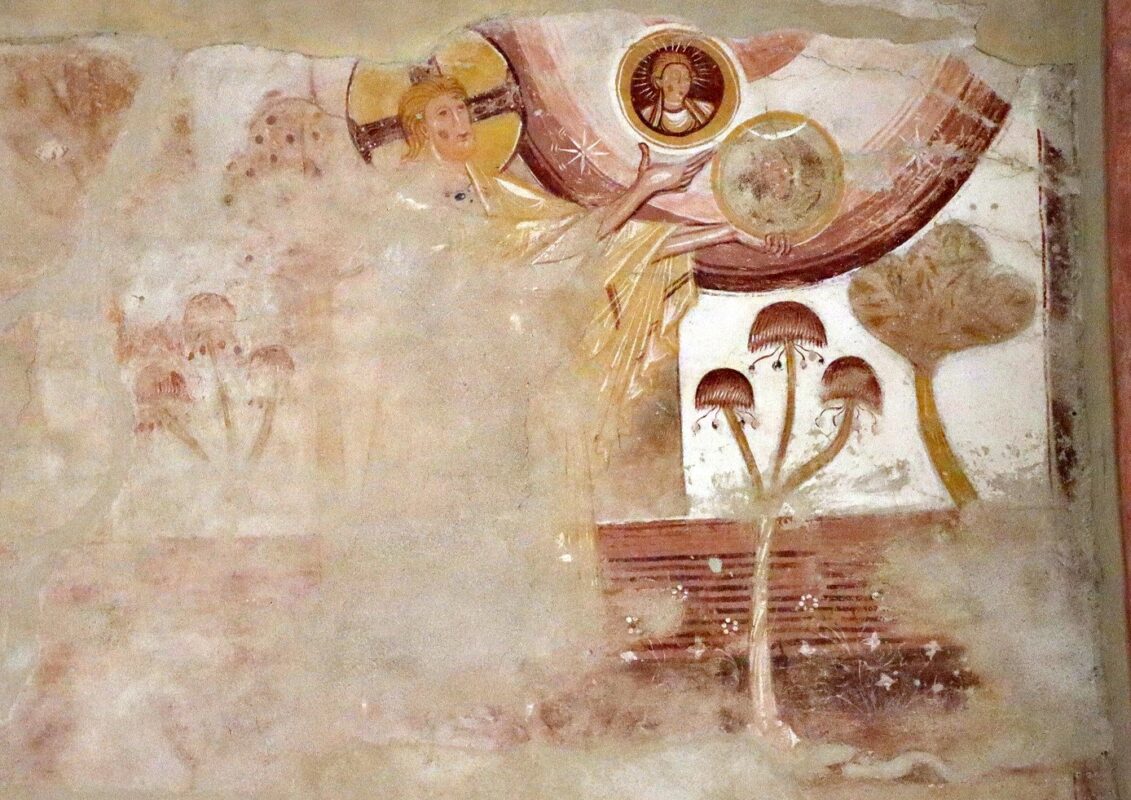
Ancient church fresco depicting spiritual transcendence and the dissolution of ego, echoing themes of mushroom-induced self-reflection and interconnectedness.

I didn’t stop being a bully because I found compassion.
I stopped because mushrooms took away the lie that I was better than anyone else.

Mushrooms don’t care who you think you are. They strip you down to the organism underneath and remind you, bluntly, that everyone else is trying to survive the same invisible weight. Not in a “we are one” slogan kind of way — in a biological, unavoidable one.

This is the story of how taking too many mushrooms didn’t make me nicer overnight… it just made being unkind impossible to unsee.

The Mushrooms That Rewire Fear

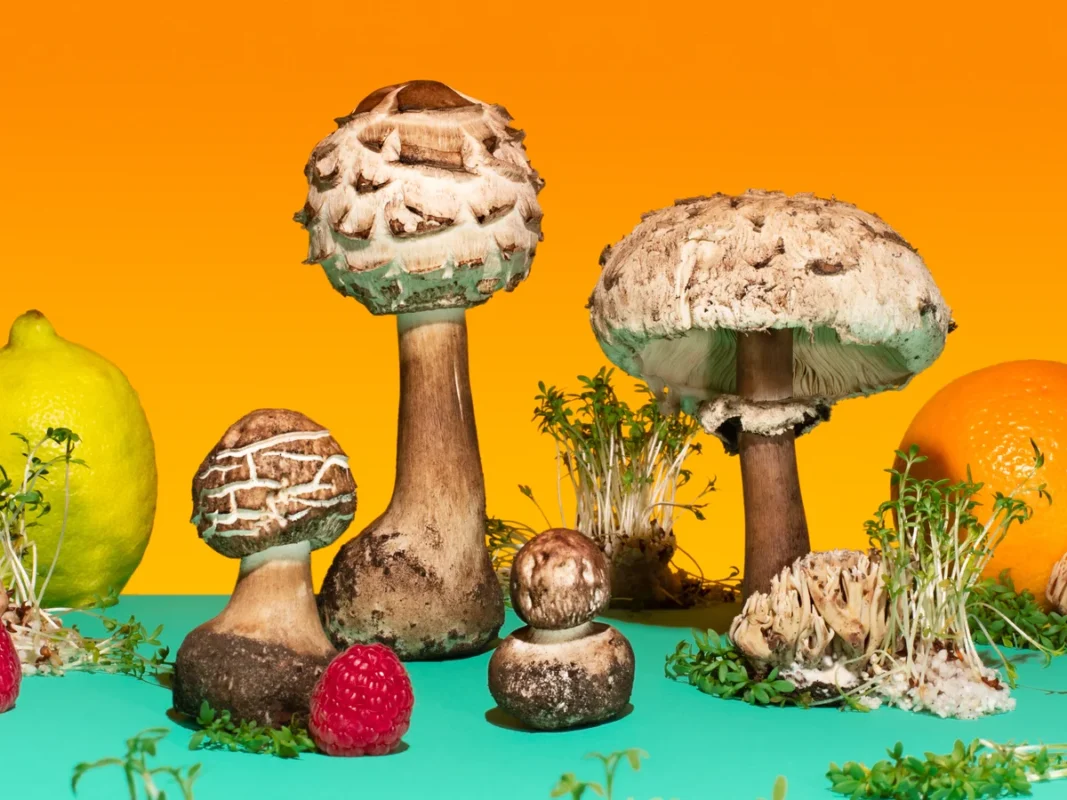
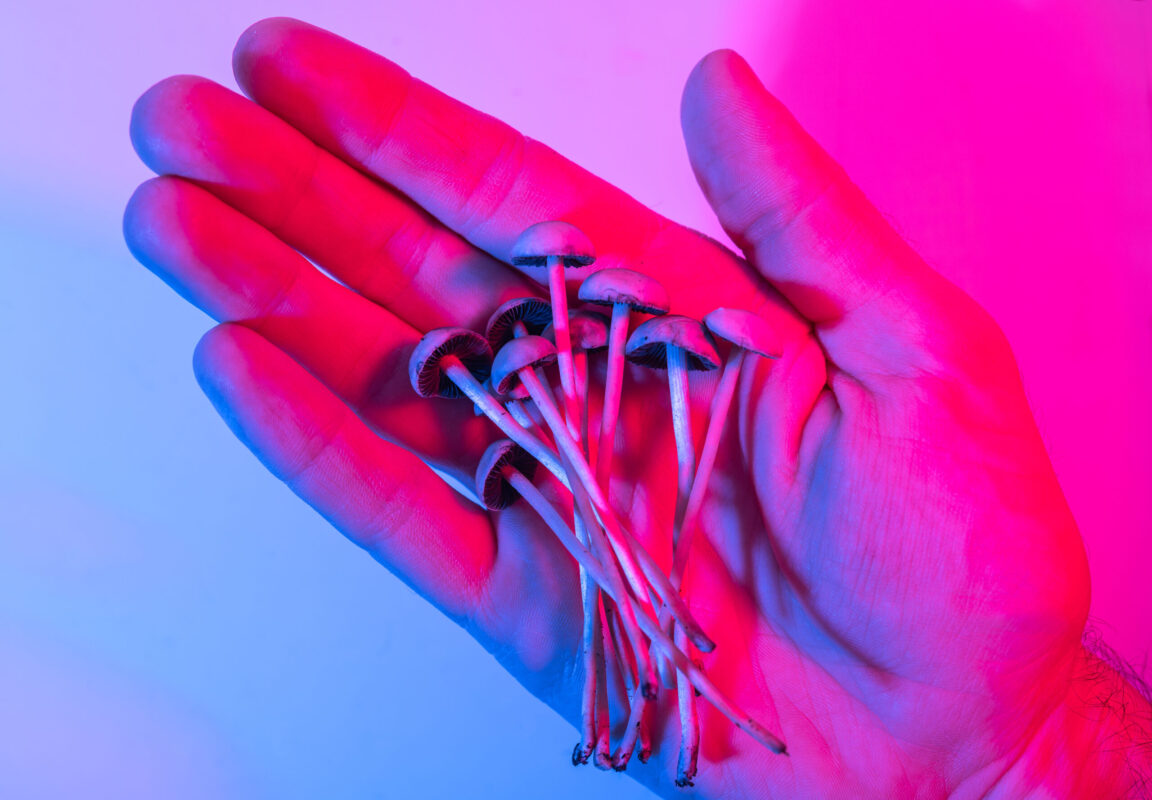
Psychedelic mushrooms symbolizing the rewiring of fear pathways in the human brain, illustrating research into psilocybin, neuroplasticity, and anxiety reduction.

Fear isn’t just a feeling—it’s a circuit. And certain mushrooms appear to mess with the wiring. From psilocybin’s effects on the brain’s fear center to Lion’s Mane’s role in neuroplasticity, science is starting to show how fungi may help loosen anxiety’s grip. This isn’t about escaping fear—it’s about teaching your brain new rules.

Mushrooms That Only Grow After Disaster

When forests burn and floodwaters recede, most life retreats. But mushrooms move in.
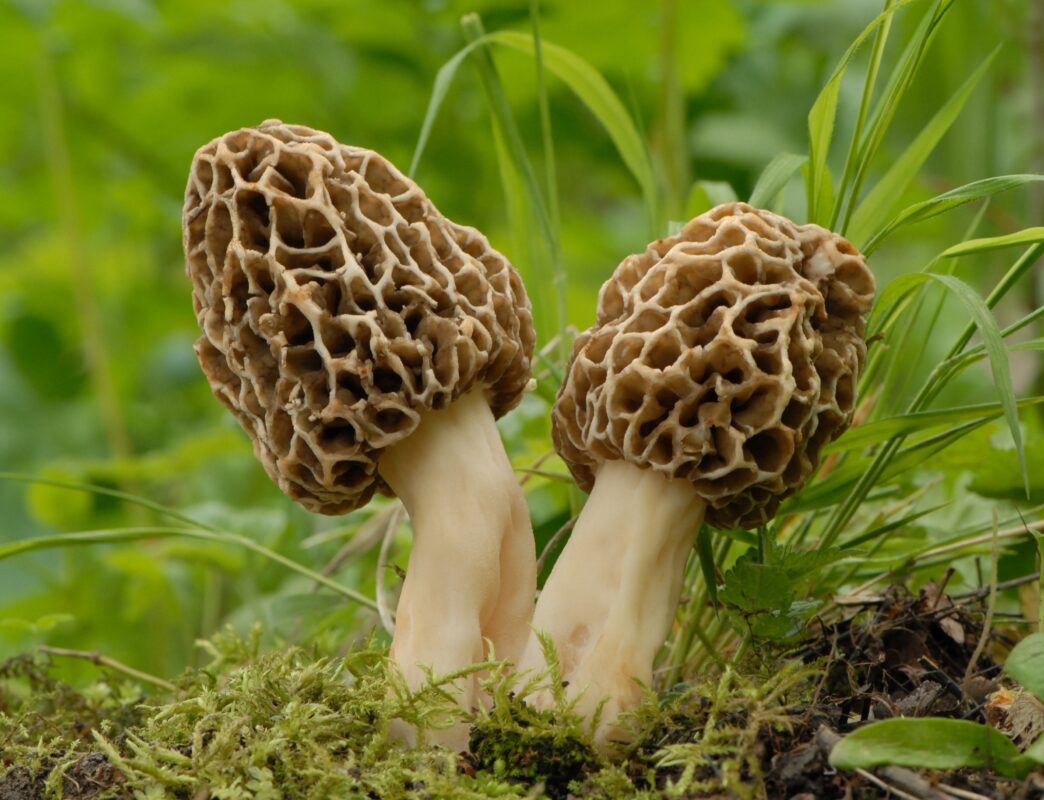
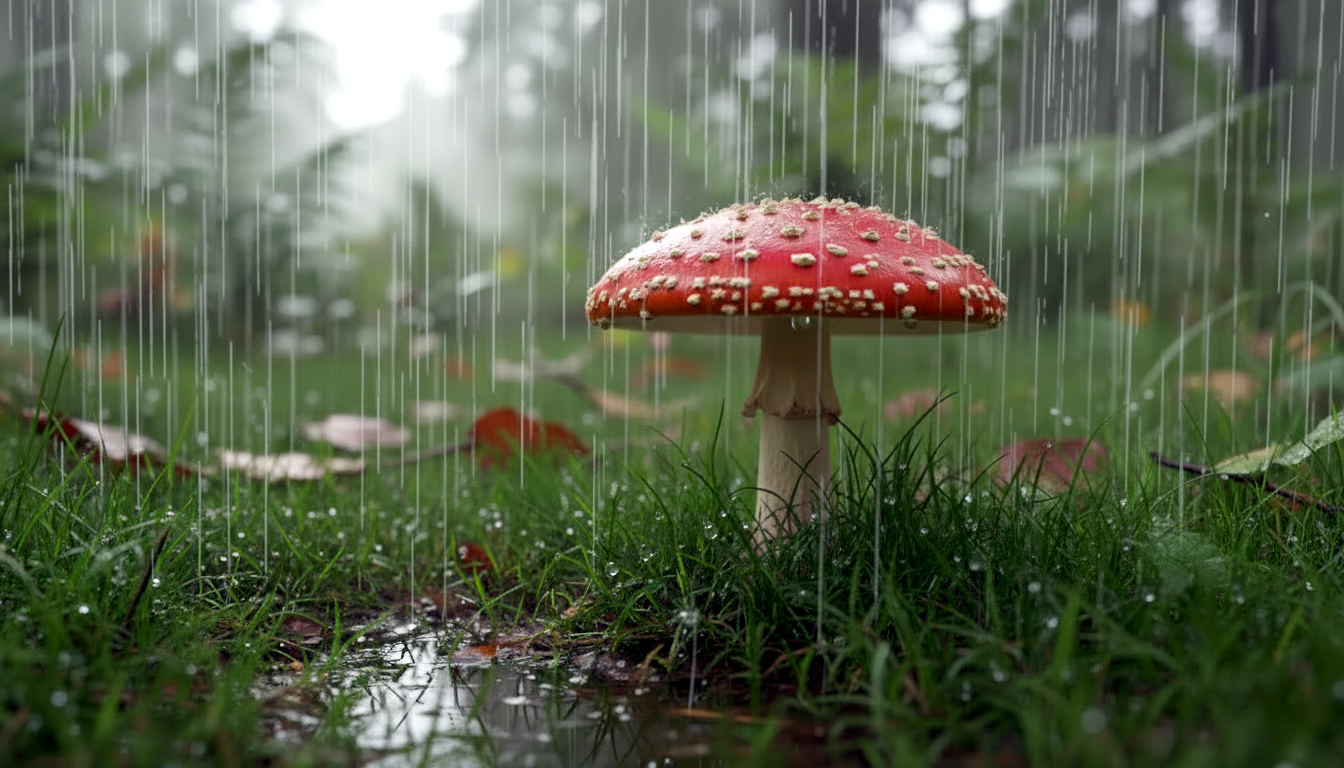
From fire-loving morels to neon-bright fungi that bloom only in ash, certain mushrooms are evolutionarily wired to appear after catastrophe. These post-disaster species don’t just survive chaos — they thrive in it, breaking down charred soil, stabilizing damaged ecosystems, and quietly rebuilding the ground beneath our feet. Mushrooms That Only Grow After Disaster explores the strange, resilient fungi that turn destruction into renewal, proving that sometimes the first signs of life come from the shadows.

Why Mushrooms Pair So Well With Therapy

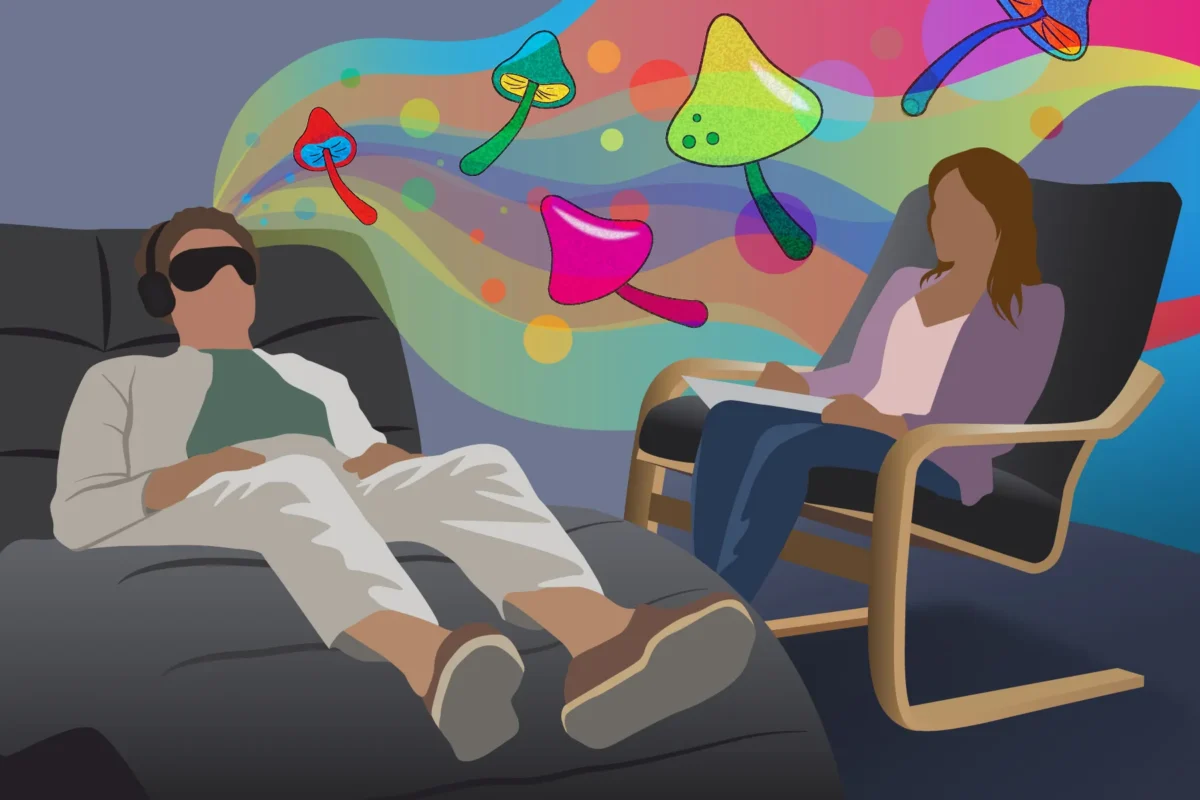
Therapy helps us tell our stories more honestly — mushrooms help us hear them differently. From increased emotional openness to fresh perspective shifts, science is beginning to show why psilocybin and therapy can work so well together. This article explores the neurological, emotional, and psychological reasons mushrooms often deepen therapeutic work — and why integration matters more than the experience itself.

The Mushroom Weather Report: How Fungi Predict Storms, Seasons & Climate Change

For centuries, people looked to the sky to predict the weather — but some of the most accurate forecasters have been quietly working underground. Mushrooms and the vast fungal networks beneath them don’t just react to the climate; they anticipate it. From sudden flushes after electrical storms to mysterious fruitings that coincide with shifts in humidity, fungi act like biological barometers wired directly into the Earth’s pulse. In this week’s Mushroom Spotlight, we explore how these ancient organisms sense storms, track seasonal transitions, and even offer clues about our rapidly shifting climate — revealing a hidden meteorology written not in clouds, but in mycelium.

Alien Landscapes: 7 Real Mushrooms That Look Like They Crawled Out of Another Galaxy

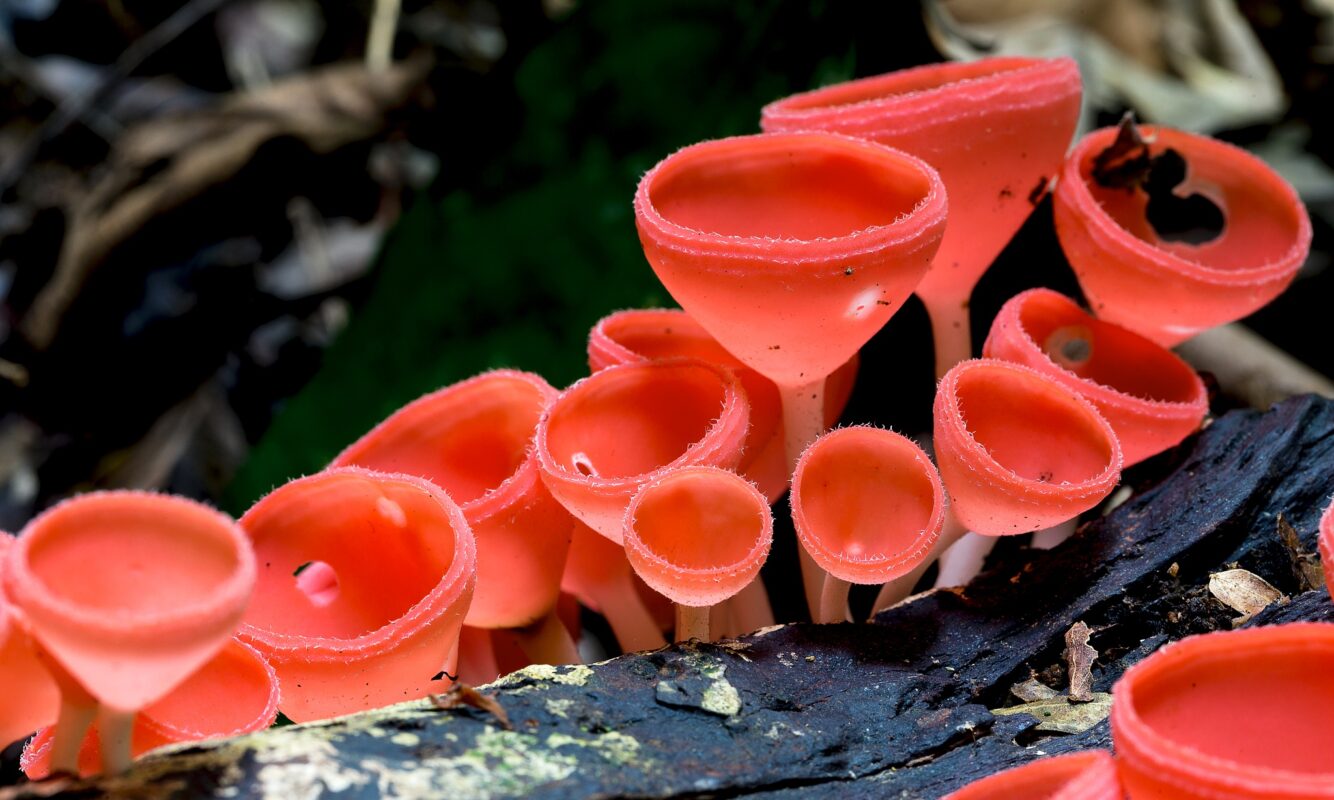
Forests have always been strange places, but some mushrooms growing in their shadows look so bizarre, glowing, and otherworldly that you could swear they wandered in through a wormhole. In Alien Landscapes: 7 Real Mushrooms That Look Like They Crawled Out of Another Galaxy, we explore seven real species that challenge everything you think you know about Earth’s biology — from lace-veiled “ghost brides” to neon waxcaps to fungi that crack open like tiny supernovas. These mushrooms aren’t just weird; they’re cosmic reminders that our planet is still full of life-forms that feel like messages from another world.