How to Sleep After a Mushroom Trip

Exhausted but Wide Awake? Here’s What Actually Helps
So the visuals are gone.
The insights have landed.
Your body is tired.
But your brain?
Still very much online.
If you’ve ever found yourself staring at the ceiling after a mushroom trip wondering why you can’t drift off, you’re not alone. Psilocybin stimulates serotonin receptors and increases overall brain connectivity — which can delay sleep even after the peak effects fade.
If you haven’t read it yet, here’s our deeper breakdown:
Why Can’t I Sleep on Magic Mushrooms?
Now let’s talk about what actually helps.
Accept That It Might Take Time
First: don’t fight it.
Research from the Imperial College London Centre for Psychedelic Research shows that psychedelics temporarily increase global brain connectivity and disrupt the Default Mode Network — which is part of why the mind feels so open and active.
Sleep requires downshifting. Mushrooms do the opposite for several hours.
If you took them in the afternoon or evening, some wakefulness is normal. Anxiety about not sleeping often makes insomnia worse.
Instead of forcing sleep, shift your goal to rest.
Dim lights. Lie down. Breathe slowly. Let your nervous system recalibrate.
Lower the Sensory Input
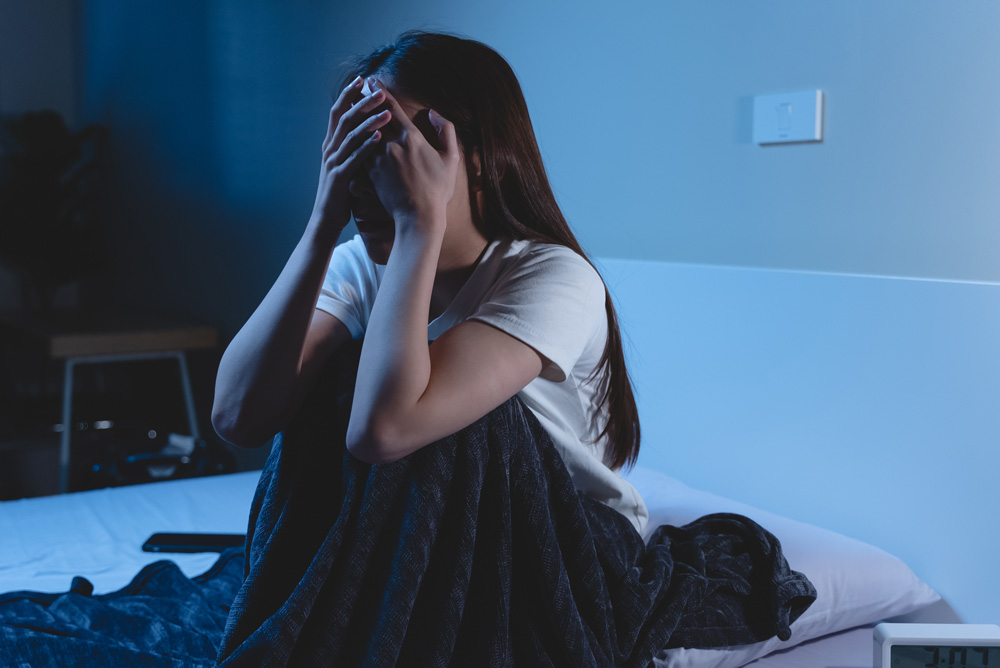
After a trip, your brain is still more sensitive than usual.
Turn off overhead lights.
Avoid scrolling.
Keep sound minimal.
Melatonin production depends on darkness and reduced stimulation. Blue light from your phone can delay it even further.
If you need something in the background, try:
-
Soft instrumental music
-
Brown noise
-
A low-volume podcast you’ve already heard
The goal is gentle familiarity — not novelty.
Eat Something Light
Many people forget to eat during a trip.
Low blood sugar can keep the body slightly wired. A small snack with complex carbs (like toast, oatmeal, or fruit) can help stabilize things.
Hydration matters too. Even mild dehydration increases restlessness and heart rate.
Nothing heavy. Nothing stimulating. Just something grounding.
Gentle Down-Regulation Techniques
Psychedelics activate serotonin systems, but they don’t activate the sedation pathways that alcohol or benzodiazepines do.
So instead of trying to “knock yourself out,” think nervous system calming.
Try:
-
4–6 breathing (inhale 4 seconds, exhale 6)
-
Progressive muscle relaxation
-
A warm shower or bath
-
Light stretching
Slow exhalations signal safety to the vagus nerve. Safety allows sleep.
Journal Instead of Ruminate
Sometimes you can’t sleep because your mind is still processing.
Psilocybin often increases emotional recall and insight — something studied extensively at Johns Hopkins University’s Center for Psychedelic & Consciousness Research.
If thoughts are looping, don’t suppress them.
Write them down.
Even 10 minutes of journaling can offload cognitive energy and give your brain permission to rest.
We talk more about this reflective phase in:
Why People Cry On Mushrooms (Even When They’re Happy)
Avoid Mixing Substances to Force Sleep
It can be tempting to use alcohol or other sedatives to “come down.”
That’s rarely a good move.
Stacking depressants onto a serotonergic psychedelic can increase confusion, nausea, or next-day grogginess. It doesn’t actually improve sleep quality — it just forces unconsciousness.
If you’re planning your session strategically, earlier daytime use dramatically reduces sleep disruption.
We break down planning and personality factors here:
Will I Have a Bad Trip? The Personality Trait Most Likely to Have a Bad Trip
Set and setting includes timing.
Know What’s Normal
For most people:
-
Sleep is delayed 2–6 hours after the peak
-
The next night returns to baseline
-
No long-term sleep disruption occurs
If insomnia lasts multiple days or comes with severe anxiety, that’s worth paying attention to. But one restless night after a psychedelic experience is common and temporary.
It’s a neurochemical afterglow — not damage.
The Real Trick
The secret to sleeping after a mushroom trip isn’t sedation.
It’s integration.
Dim the lights.
Calm the body.
Let the experience finish unfolding.
Your brain just ran a marathon of connectivity. Give it space to cool down.
And next time?
Start earlier.
Back to the safety of SmilesHigh.Club
