
Mushrooms & Witches: Why Fungi Have Always Been Part of the Spell
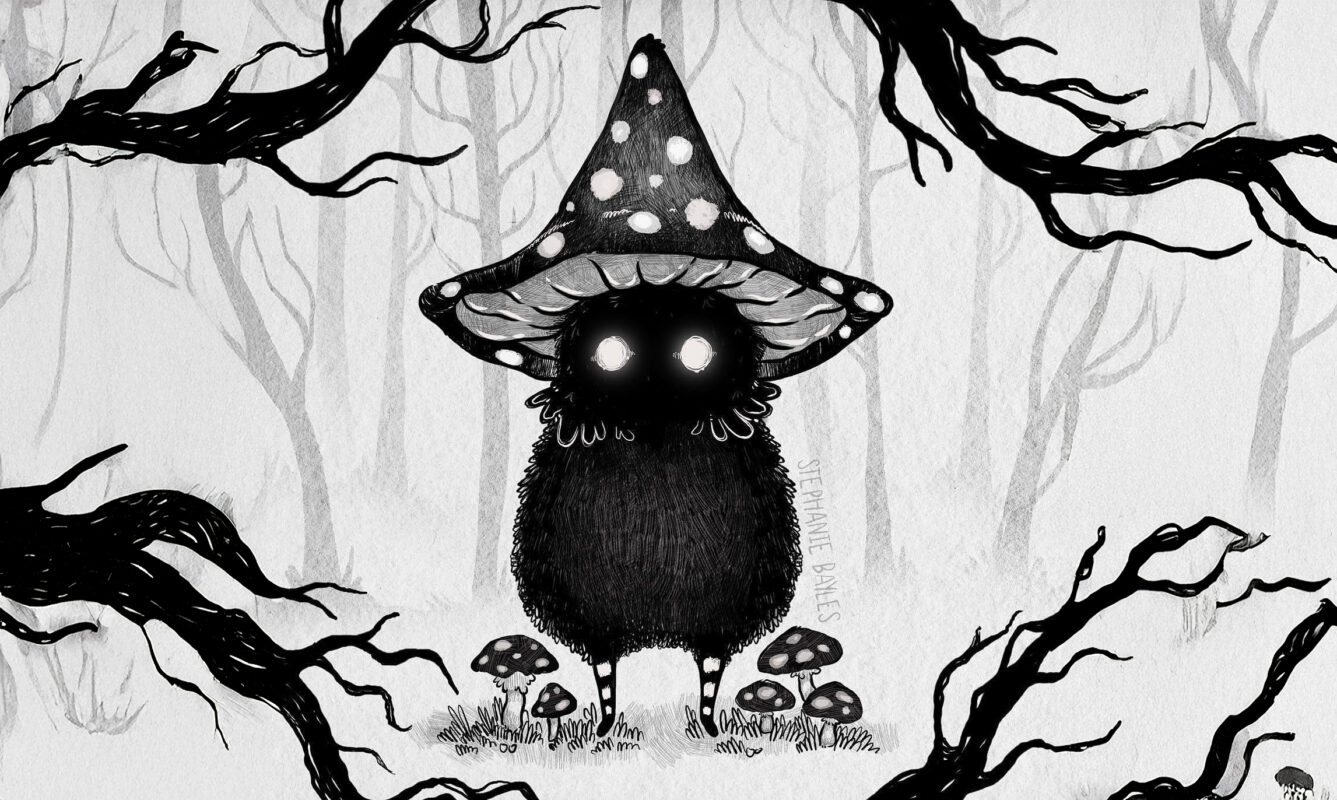
From forest floor to cauldron: why every witch brew seems to include a mushroom
Once upon a time—long before strip malls, warning labels, or the phrase “consult your physician”—people lived much closer to the ground. Literally. Their medicine grew underfoot. Their gods lived in trees. Their fears hid in the woods. And every so often, after a good rain, something strange would push up through the soil overnight.
A mushroom.
It appeared without warning. It vanished just as fast. Some nourished you. Some killed you. Some made you see things that would have been very hard to explain to the local priest.
Naturally, witches got blamed for all of it.
The Forest Was the First Pharmacy
Before pharmacies came with aisles, receipts, and fluorescent lighting, they came with moss, bark, and damp leaves. Knowledge lived in the hands of people who paid attention—usually women. Midwives. Healers. Brewers. People who knew which roots helped childbirth and which ones stopped it.
Mushrooms were part of this living library. They were protein-rich, medicinal, psychoactive, or lethal, depending on which one you picked and how much you trusted yourself.
That kind of knowledge didn’t sit well with centralized power. It never does.
When something goes wrong—someone gets sick, crops fail, visions occur—the blame rarely lands on the fungus. It lands on the person who knew about it. Thus, the healer slowly became the witch. The forest slowly became suspect. And mushrooms, those strange little rebels that refuse to be farmed like obedient wheat, became symbols of forbidden wisdom.
The Mushroom That Launched a Thousand Broomsticks
If witches have a mascot, it’s Amanita muscaria—the red cap with white spots that looks like it was designed by a mischievous god with a sense of humor.
This mushroom is psychoactive. It causes euphoria, dissociation, altered perception, vivid dreams, and a peculiar sense that reality has loosened its grip just enough to let something weird slip through.
Sound familiar?
Historical accounts suggest that Amanita muscaria wasn’t eaten casually. It was prepared carefully. Sometimes brewed. Sometimes applied as an ointment. Sometimes absorbed through skin in ways polite society prefers not to visualize.
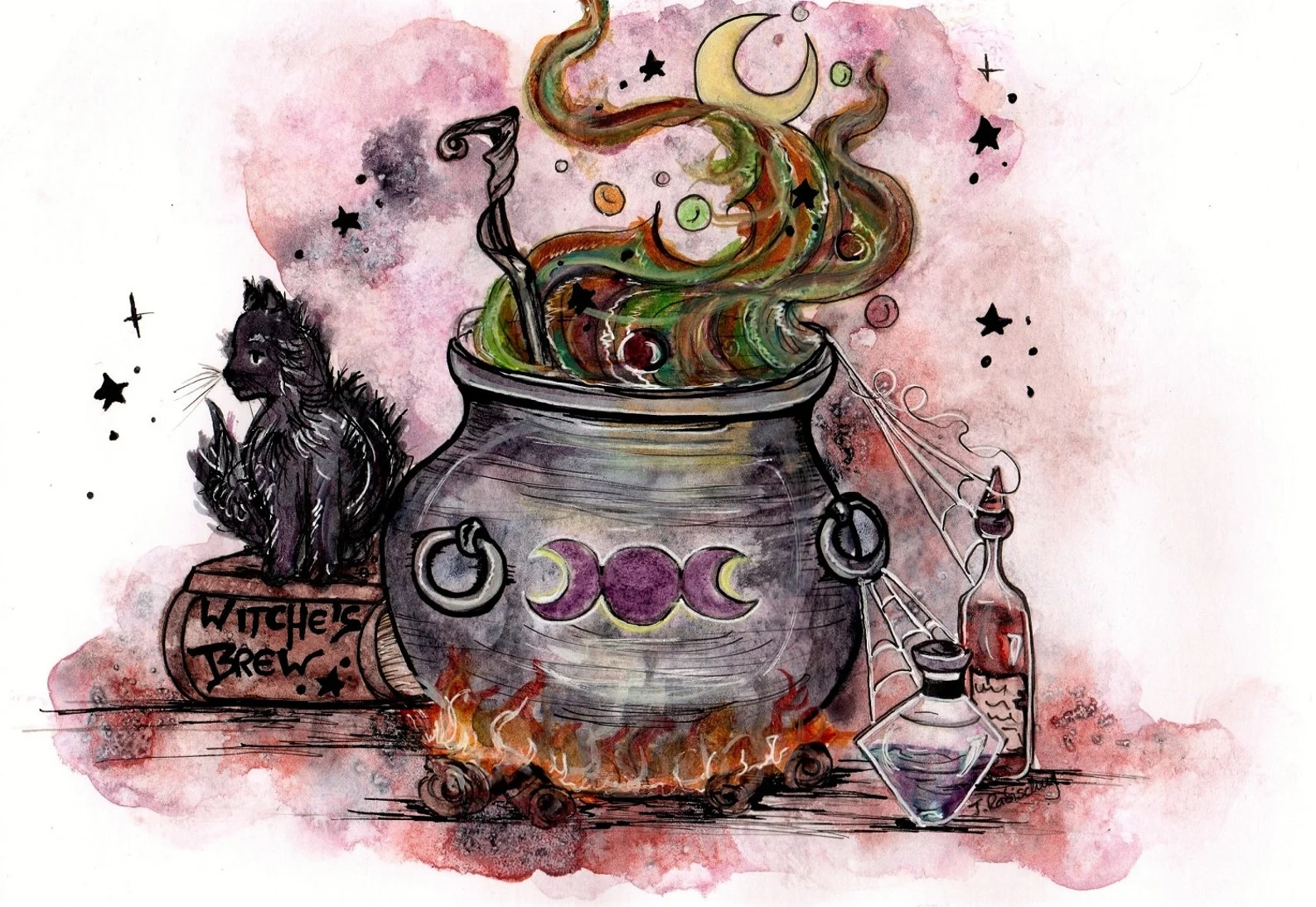
Cauldrons, Brews, and the Chemistry of Belief
A witch’s brew was not a random soup. It was chemistry before chemistry had a name. Plants, fungi, fats, heat, time. Trial and error. Mostly error.
Some combinations healed. Some combinations killed. Some combinations made you feel as though you’d briefly stepped outside yourself and looked back in.
To modern neuroscience, this is altered consciousness.
To medieval Europe, this was obviously witchcraft.
And mushrooms—unpredictable, powerful, impossible to fully control—were perfect ingredients for both potions and paranoia.
Why Mushrooms Feel Magical (Even Now)
Mushrooms aren’t plants. They aren’t animals. They’re something else entirely, quietly networking beneath our feet in vast underground systems that would make the internet feel insecure.
They show up overnight. They vanish. They thrive on decay. They turn death into life. They ignore human schedules.
If witches represent society’s discomfort with people who don’t behave as expected, mushrooms represent nature’s refusal to explain itself politely.
No wonder the two stuck together.
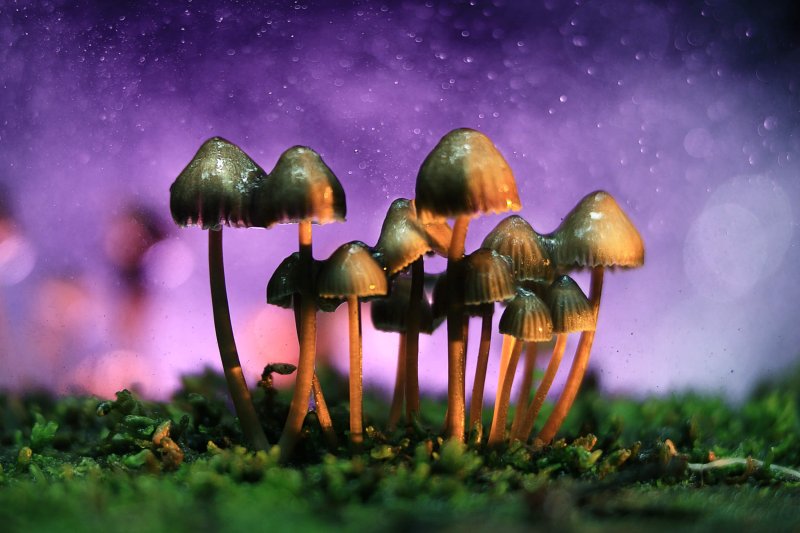
Hollywood Just Inherited the Symbols
Modern movies didn’t invent the mushroom-witch aesthetic. They borrowed it. Fairy tales, fantasy films, and horror stories reach for mushrooms because they instantly signal something old, wild, and slightly dangerous.
A forest with mushrooms isn’t safe.
A brew with mushrooms isn’t ordinary.
A woman who understands both is probably trouble.
This visual language works because it’s been baked into cultural memory for centuries.
Fear, Control, and the Cost of Curiosity
At the heart of witch hunts was fear—fear of knowledge that couldn’t be regulated, fear of bodies and minds that didn’t obey authority, fear of nature doing things on its own terms.
Mushrooms don’t ask permission to grow. Witches didn’t ask permission to heal.
That was the problem.
So we burned the witches. We banned the brews. We told ourselves that anything capable of changing perception must be dangerous, immoral, or evil.
And then, centuries later, we quietly started studying mushrooms again.

Witches be witchin!
for spells, or from spells?
They keep them in their hats! Always got mushies available ttehehehe