
Mushroom Spotlight - Cantharellus Cibarius aka Golden Chanterelle
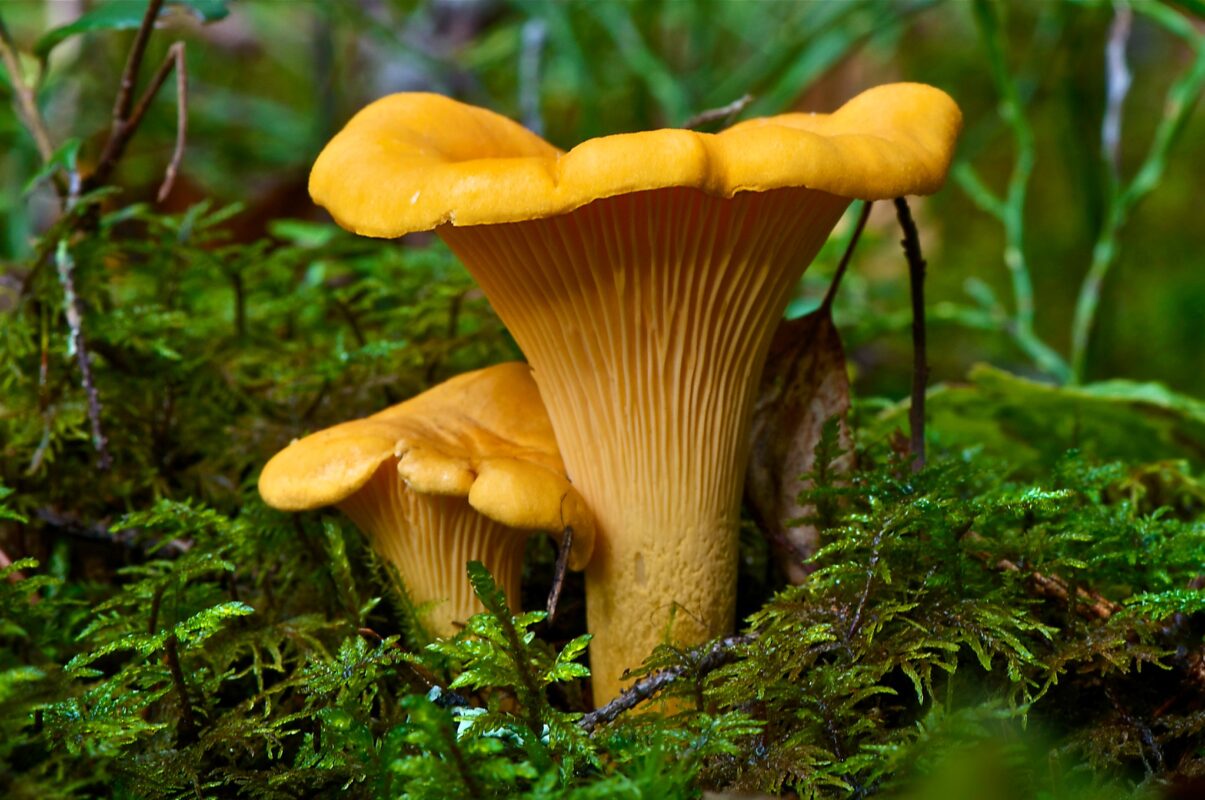
If mushrooms had a royalty class, chanterelles would be wearing gold crowns and sipping something fancy in the shade. Bright, fragrant, and stubbornly seasonal, chanterelles aren’t just mushrooms — they’re an experience. Foragers obsess over them, chefs guard their sources, and forests seem to hide them just well enough to keep us humble.
Let’s take a closer look at one of the most beloved wild mushrooms on Earth.
Table of Contents
- What Are Chanterelles?
- Where Chanterelles Grow
- What They Smell and Taste Like
- How People Love to Eat Them
- Nutritional and Functional Benefits
- Foraging Lore and Caution
- Final Thoughts
What Are Chanterelles?
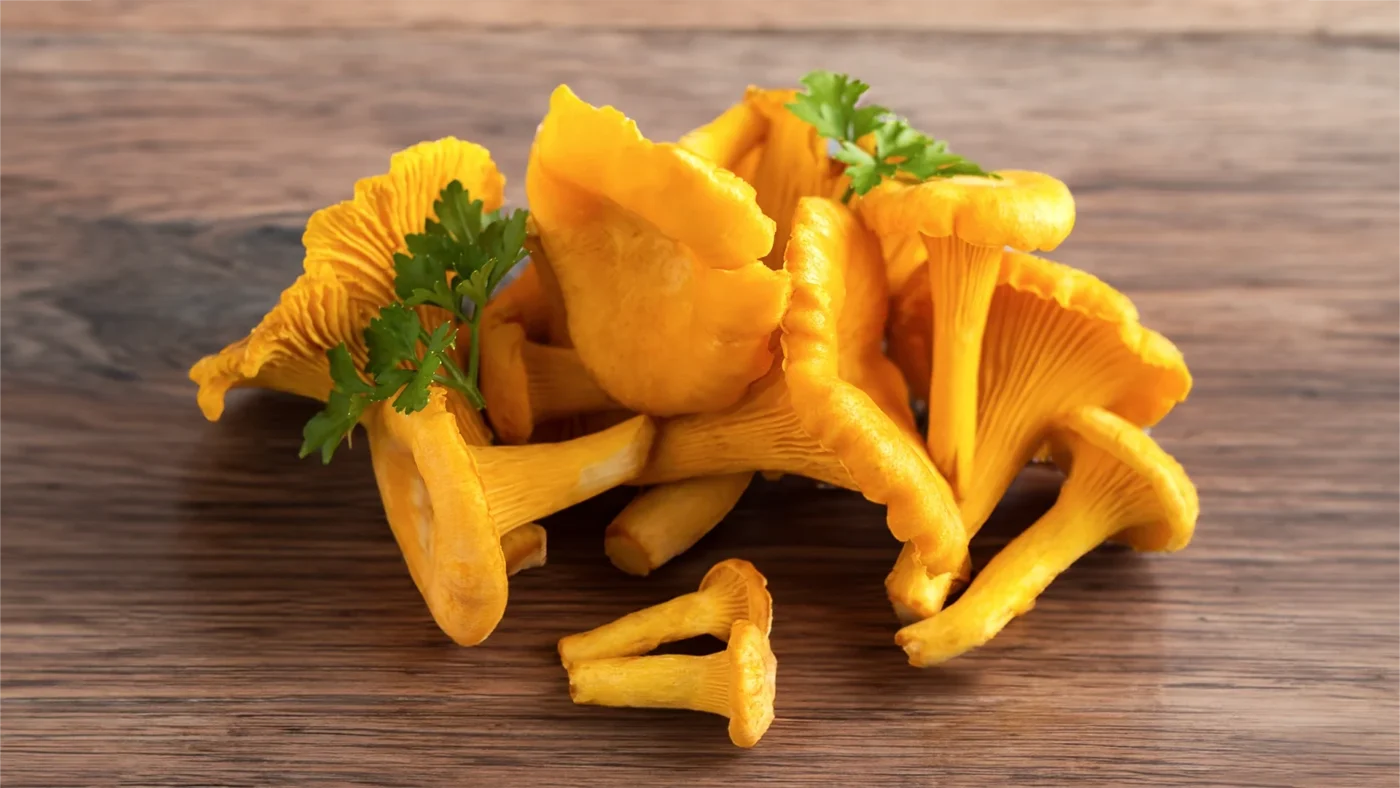
Chanterelles (genus Cantharellus) are wild edible mushrooms known for their golden-yellow color, wavy caps, and false gills that look more like soft folds than sharp blades. Unlike many cultivated mushrooms, chanterelles cannot be farmed at scale — they grow in symbiotic relationships with trees, making every harvest a small miracle.
They’re often described as having a funnel or trumpet shape, which helps them catch forest light and rain like nature designed them intentionally.
Where Chanterelles Grow
Chanterelles are found across much of the world, but they’re especially iconic in:
-
The Pacific Northwest (Oregon, Washington, British Columbia)
-
Northern Europe (France, Germany, Scandinavia)
-
Parts of Asia and Africa
They grow in forests, often near conifers and hardwoods, forming underground partnerships with tree roots. When chanterelles appear, it usually means the forest is healthy — they’re a sign of good soil, clean ecosystems, and long-term balance.
In other words: if you find chanterelles, you’re standing in a good place.
What They Smell & Taste Like
Chanterelles are famous for their apricot-like aroma — fruity, floral, and faintly sweet. Their flavor is delicate but unmistakable: earthy, slightly peppery, and deeply comforting.
They’re not overpowering mushrooms. They don’t shout.
They hum.
This is why chefs love them — they elevate dishes without stealing the spotlight.
How People Love to Eat Them
Chanterelles shine when treated simply:
-
Sautéed gently in butter with garlic or shallots
-
Folded into eggs, pasta, or risotto
-
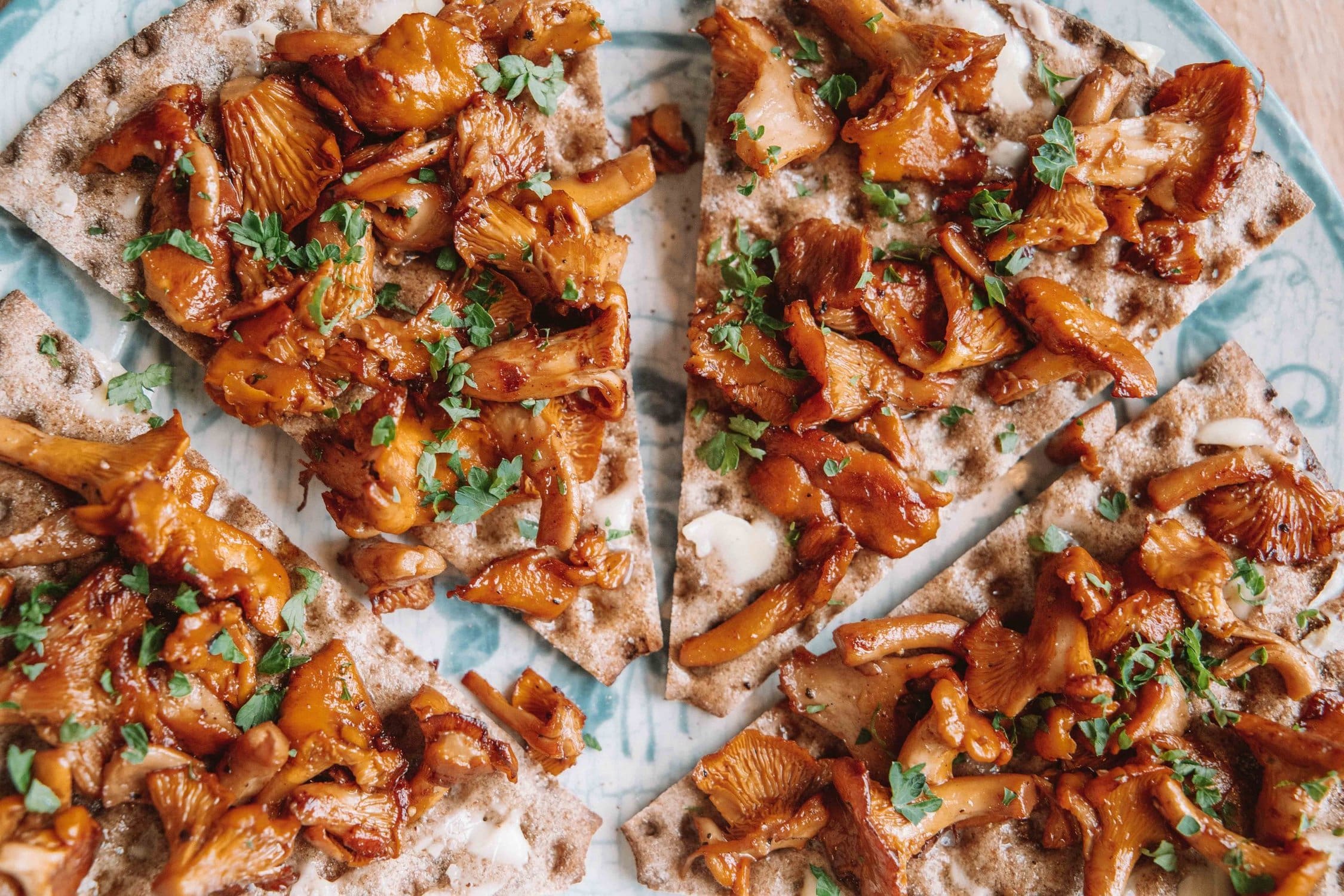
Served on toast with fresh herbs
-
Paired with cream sauces or white wine
They don’t like being rushed or overcooked. Low heat. Patience. Respect.
(Kind of like mushrooms in general.)
Nutritional & Functional Benefits
While chanterelles aren’t psychedelic or overtly medicinal, they’re quietly impressive:
-
Rich in vitamin D (especially when exposed to sunlight)
-
Contain antioxidants
-
Provide fiber and essential minerals
-
Low calorie, high satisfaction
They’re a reminder that not every powerful mushroom alters consciousness — some nourish us simply by being eaten.
Foraging Lore & Caution
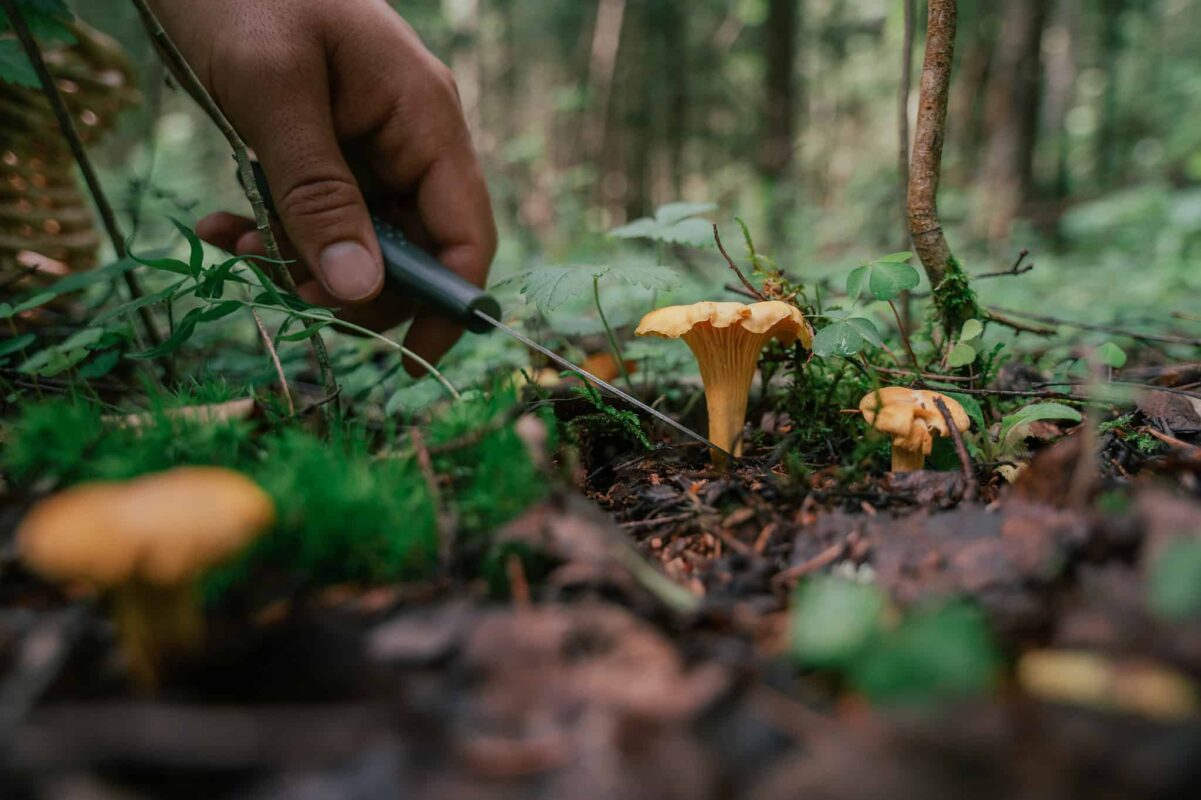
Chanterelles are popular among beginner foragers, but caution is essential. They have lookalikes — some harmless, some not-so-much. Learning proper identification (or foraging with someone experienced) is key.
Foragers often say:
“The forest rewards patience.”
Chanterelles don’t show up when you’re trying too hard. They appear when you slow down.
Final Thoughts
Chanterelles are proof that magic doesn’t always come from altered states. Sometimes it comes from walking through the woods, finding something golden growing where it shouldn’t, and realizing nature has been quietly doing its thing long before we showed up.
They’re mushrooms that teach appreciation — for seasonality, simplicity, and the quiet joy of discovery.
And honestly? That’s pretty Smiles High.

My mom named m Chanti, after these mushrooms! haha hippie mom
good food good meat, good god, let’s eat!
Except the meat is the mushrooms.