
Why Mushrooms Pair So Well With Therapy
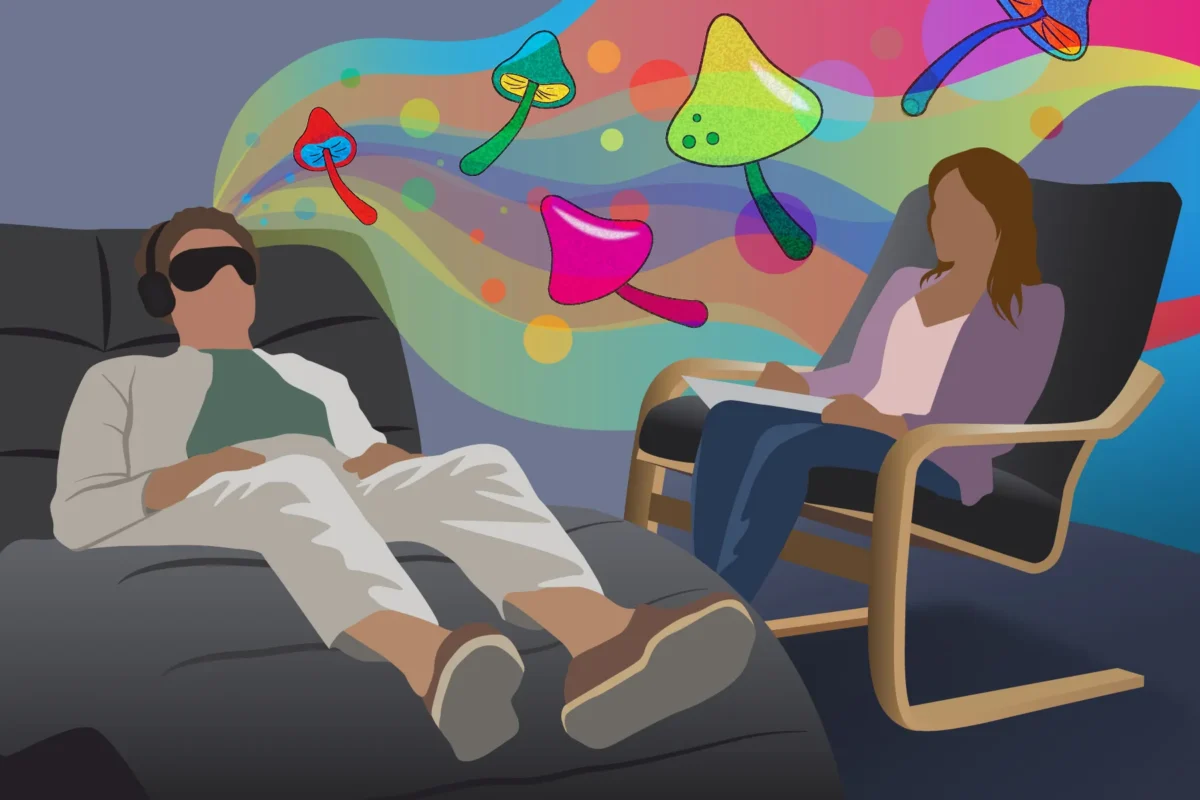
And what science is starting to understand about healing, insight, and integration
Therapy is, at its core, a conversation with yourself — often an awkward one. You sit in a room, or on a couch, or on a video call, and try to put words to feelings that don’t always want to be named. Mushrooms, interestingly, seem to soften the resistance to that process. They don’t replace therapy, but for many people, they make the door easier to open.
Across cultures, generations, and now modern clinical settings, mushrooms have repeatedly shown up alongside practices of reflection, healing, and meaning-making. That pairing isn’t accidental. It’s rooted in how these fungi interact with the brain — and how therapy actually works when it works well.
Therapy Works Best When the Mind Is Flexible
One of the biggest challenges in therapy is rigidity. Patterns of thought become well-worn paths: self-criticism, fear loops, emotional avoidance. You can understand these patterns intellectually and still feel stuck inside them.
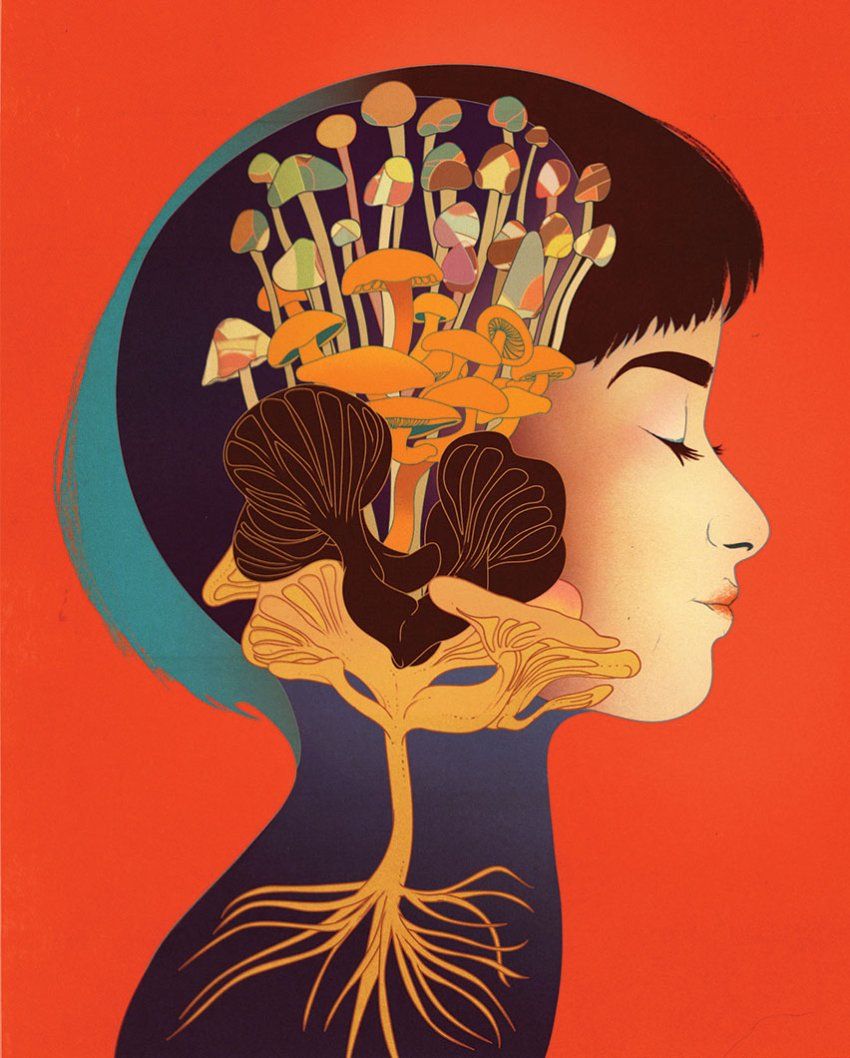
Psilocybin has been shown to temporarily reduce activity in the brain’s default mode network (DMN) — the system associated with ego, rumination, and the internal narrator that loves to replay old stories. When that network quiets down, something interesting happens: the brain becomes more flexible.
Thoughts loosen. Perspectives widen. Emotional material that once felt threatening becomes approachable. This is exactly the mental state therapy tries to cultivate over weeks or months of work.
Mushrooms don’t do the work for you — but they can make the work more accessible.
Emotional Access Without Emotional Overwhelm
A common reason people stall in therapy isn’t lack of insight — it’s overwhelm. Feelings can come on too strong, too fast, or feel unsafe to explore.
Mushrooms often create a middle ground: emotions become vivid, but not necessarily destabilizing. People report feeling deeply connected to their feelings without being consumed by them. Sadness can be observed without panic. Joy can be felt without guilt. Fear can be acknowledged without shutting down.
This emotional openness mirrors what therapists aim for: the ability to sit with an experience instead of fleeing from it.
The Power of Perspective Shifts
One of the most frequently reported effects of mushrooms is a change in perspective — not hallucinations, but reframing. Problems that once felt permanent begin to look contextual. Personal stories feel less absolute.
In therapy, breakthroughs often come from perspective shifts:
-
Seeing yourself with compassion instead of judgment
-
Understanding where behaviors came from rather than just criticizing them
-
Recognizing that you are not your thoughts
Mushrooms seem to naturally encourage this kind of reframing. Many people describe insights that feel obvious in hindsight but unreachable before: “Oh. That’s why I react like that.” Therapy gives language to these realizations. Mushrooms help surface them.
Integration: Where the Real Work Happens
The most important part of therapy isn’t the session — it’s what happens afterward. The same is true with mushrooms.
Without integration, insights fade. With integration, they become change.
This is where therapy and mushrooms truly shine as a pair. Therapy offers structure, accountability, and a place to translate abstract insights into real-life action. Mushrooms provide the raw material — emotional clarity, openness, and connection.
Together, they form a loop:
-
Experience insight
-
Reflect with guidance
-
Apply meaning intentionally
Neither replaces the other. They amplify each other.
Why Microdosing Gets Attention in Therapeutic Contexts
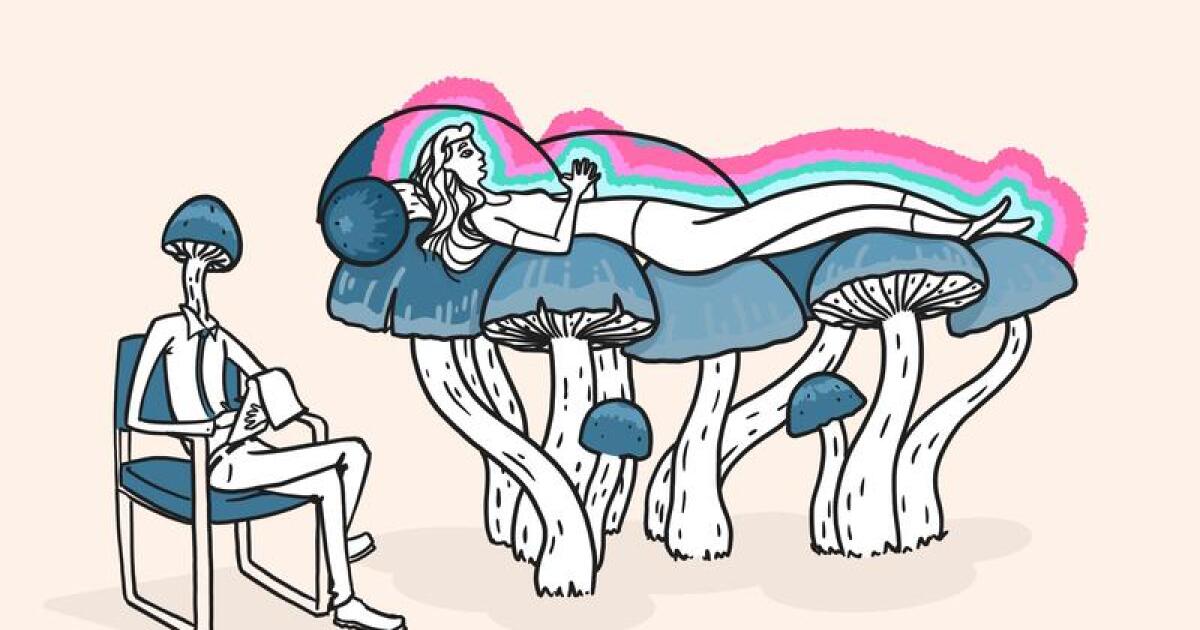
While much research focuses on guided macrodose sessions, microdosing has gained interest for a different reason: consistency.
Some people find that small, sub-perceptual doses help maintain emotional awareness between therapy sessions. Not as a cure, but as a gentle reminder to stay present, curious, and open. It’s less about revelation and more about regulation — creating a mental environment where therapy can do its job.
A Note on Responsibility and Respect
Mushrooms are not therapy. They are not a shortcut. And they are not appropriate for everyone.
The most promising outcomes appear when mushrooms are approached with intention, education, and support — not escapism. Many clinicians emphasize preparation, setting, and follow-up as essential components of any meaningful experience.
At Smiles High, we believe mushrooms are tools — not answers. When paired thoughtfully with therapy, reflection, and care, they can help people hear themselves more clearly.
And sometimes, that’s where healing begins.
Back to SmilesHigh.Club

Sometimes I feel like the microdose is my therapist.
my flexible mind is going to drop in on some zoomies before my next zoom meeting with Dr Robert, if ya catch my meaning!!!!
I always feel better after mushrooms. not always during, but always better after.
what do i have to say to get some magic from ol Doc Robert?
therpay’s getting so popular these days. jeeees are you all my dad? I don’t want to gooooooo