
Mushrooms to the Rescue: How Fungi Could Help Save the World
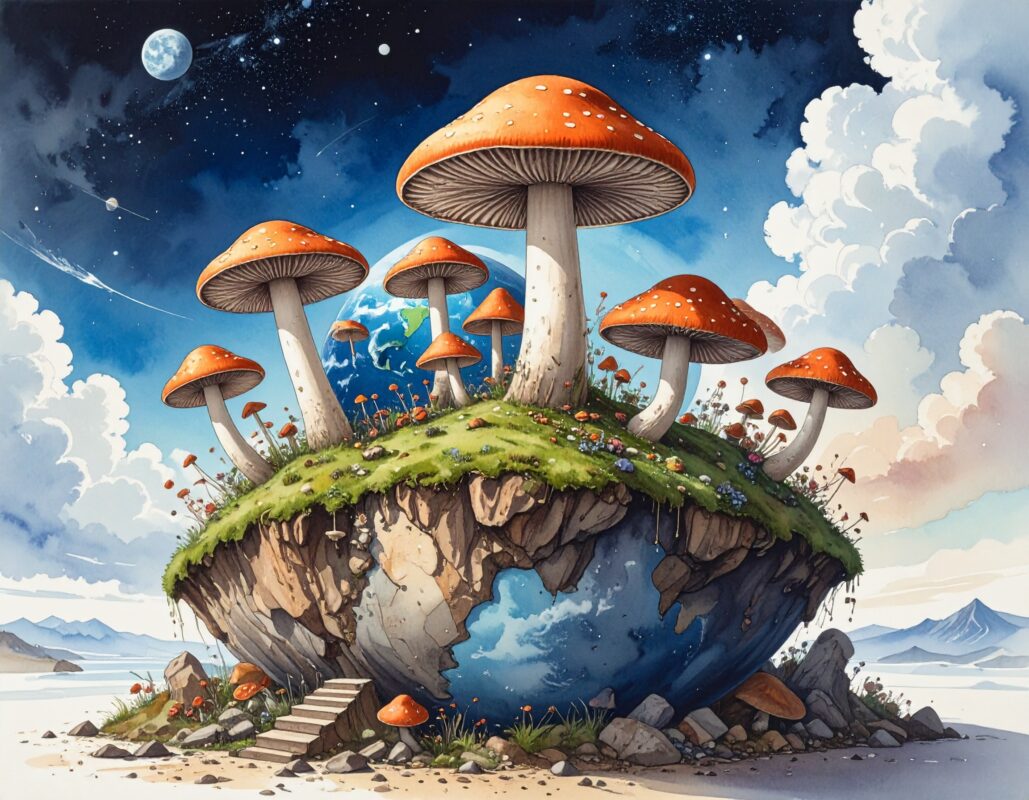
From cleaning up oil spills to replacing plastic, fungi might just be the quiet superheroes our planet has been waiting for.
Beneath every forest floor, patch of grass, and even beneath city sidewalks, there’s a hidden world at work. Fungi — most of them invisible to the human eye — are breaking down waste, recycling nutrients, and quietly connecting life into one vast underground network.
Scientists call this the mycorrhizal network, but we like to think of it as nature’s own internet: billions of tiny fungal threads passing messages, sharing food, and keeping ecosystems alive. Without them, forests would collapse, crops would fail, and our planet’s recycling system would grind to a halt. Mushrooms aren’t just quirky little caps on logs; they’re infrastructure.
Table of Contents
- Fungi vs. Pollution
- A Sustainable Food Source
- Medicine from the Mycelium
- Mushrooms as Materials
- The Big Picture: Why Mushrooms Matter More Than Ever
Fungi vs. Pollution
Here’s where things get really exciting: mushrooms can eat our mess. Literally.
Through a process called mycoremediation, fungi break down pollutants like oil, pesticides, and even plastics. Oyster mushrooms, for example, have been shown to clean up diesel-contaminated soil, turning toxic sludge into something fertile again. Some fungi even munch on cigarette butts — one of the most common forms of litter on Earth.
Imagine a future where mushroom farms line polluted rivers, where fungi act as living cleanup crews for everything we’ve spilled, dumped, and forgotten. Turns out, the “garbage men” of the natural world might also be the healers.
A Sustainable Food Source
In a world scrambling for sustainable food solutions, mushrooms shine. They’re packed with protein, fiber, vitamins, and minerals, all while leaving a much smaller environmental footprint than meat or even soy.
Mushrooms grow fast, need little land or water, and can thrive on agricultural waste. That makes them an accessible food source for communities around the globe — whether you’re in a high-tech city or a rural village. Plus, mushroom-based foods are already making their way into mainstream diets, from “bleeding” mushroom burgers to gourmet dishes that rival steak.
They’re proof that saving the planet doesn’t have to mean giving up flavor.
Then there’s the whole other side of Mushroom Foods. Read about our favorite Magic Mushroom recipes here.

Medicine from the Mycelium
Fungi have been medicine-makers for millennia. They gave us penicillin, one of the greatest medical discoveries in history, as well as cholesterol-lowering statins and immunomodulating compounds. And now, the next frontier: psychedelic mushrooms.
Clinical research is showing that psilocybin may help treat depression, PTSD, and addiction where conventional therapies fall short. At the same time, non-psychoactive fungi like Turkey Tail and Reishi are being studied for their immune-boosting properties.
It’s humbling to think: while humans build skyscrapers and smartphones, mushrooms keep quietly producing miracles in the soil.
Mushrooms as Materials
Plastic waste? Styrofoam? Leather made from animal hides? Mushrooms are coming for them all.
Innovators are harnessing mycelium (the root-like structure of fungi) to create sustainable alternatives to everyday materials. Mycelium leather is already being used in fashion; mushroom-based packaging is replacing styrofoam; and fungi are even being turned into insulation and building materials.
These materials are biodegradable, renewable, and surprisingly durable. If scaled up, they could cut down on some of the most destructive industries we’ve created. Imagine a world where your shoes, furniture, and takeout box all return harmlessly to the earth when you’re done with them.
The Big Picture: Why Mushrooms Matter More Than Ever
Here’s the thing: fungi aren’t just fascinating — they’re necessary. As we face climate change, pollution, and biodiversity loss, mushrooms remind us that the solutions we need might already exist in nature.
They won’t fix everything on their own. But fungi can be powerful allies in a future that’s more sustainable, resilient, and regenerative. The next big breakthrough won’t come from a lab in Silicon Valley — it may come from a log in the forest, or a patch of soil in your backyard.
So the next time you see a mushroom popping out of the ground, remember: it’s not just a quirky little cap. It might be a glimpse of the future.
Ready to learn more about mushrooms? Explore our Mushroom Spotlight Series for a deeper dive into the fungi shaping the world around us.

hmm interesting. I want more articles like this one
i wonder if they could sponge up pollution or help with micro plastics in the ocean!
Mushrooms as material? haha mushrooms really are becoming the New Hemp, huh?